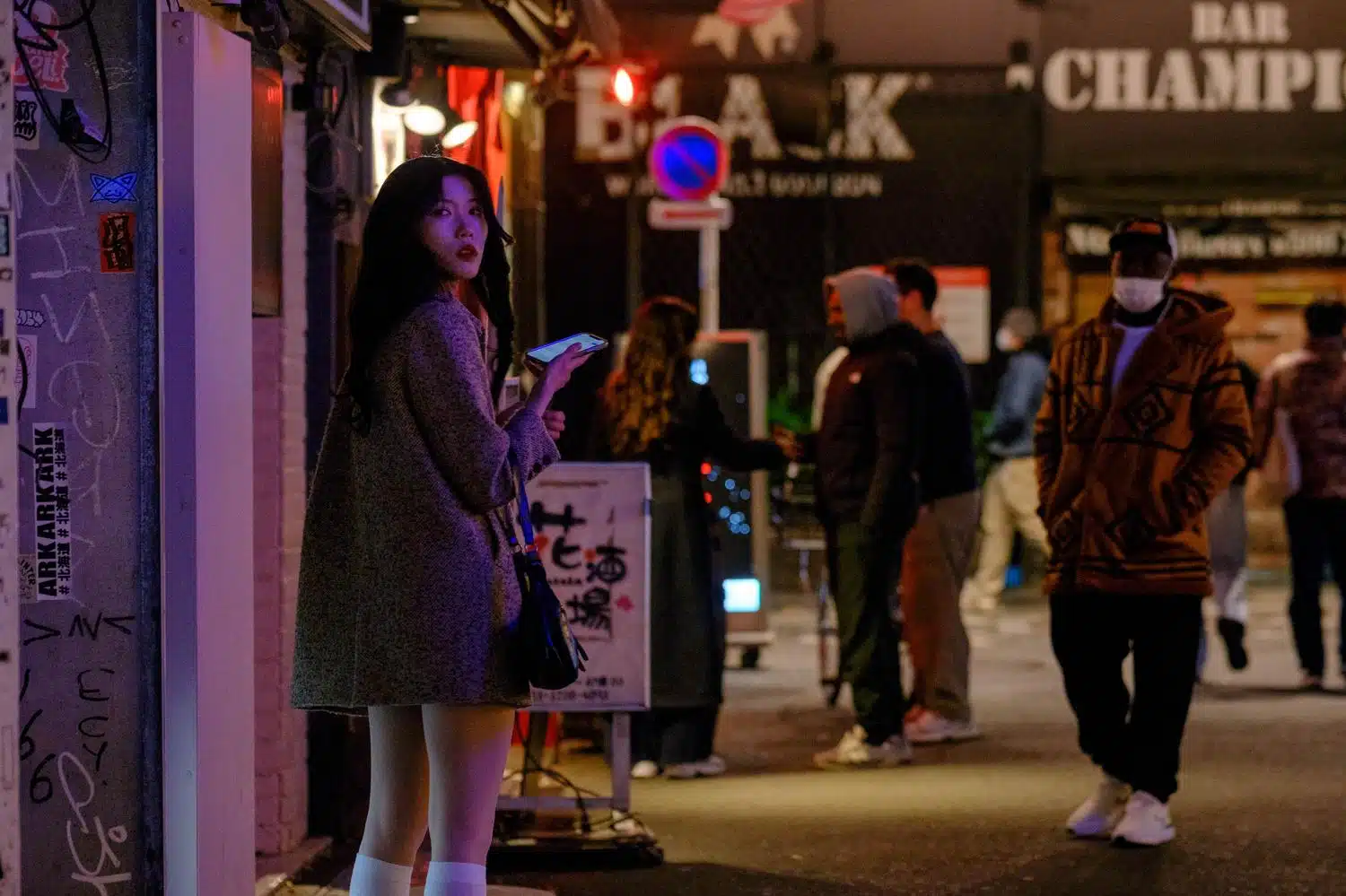
Along Cheonggyecheon
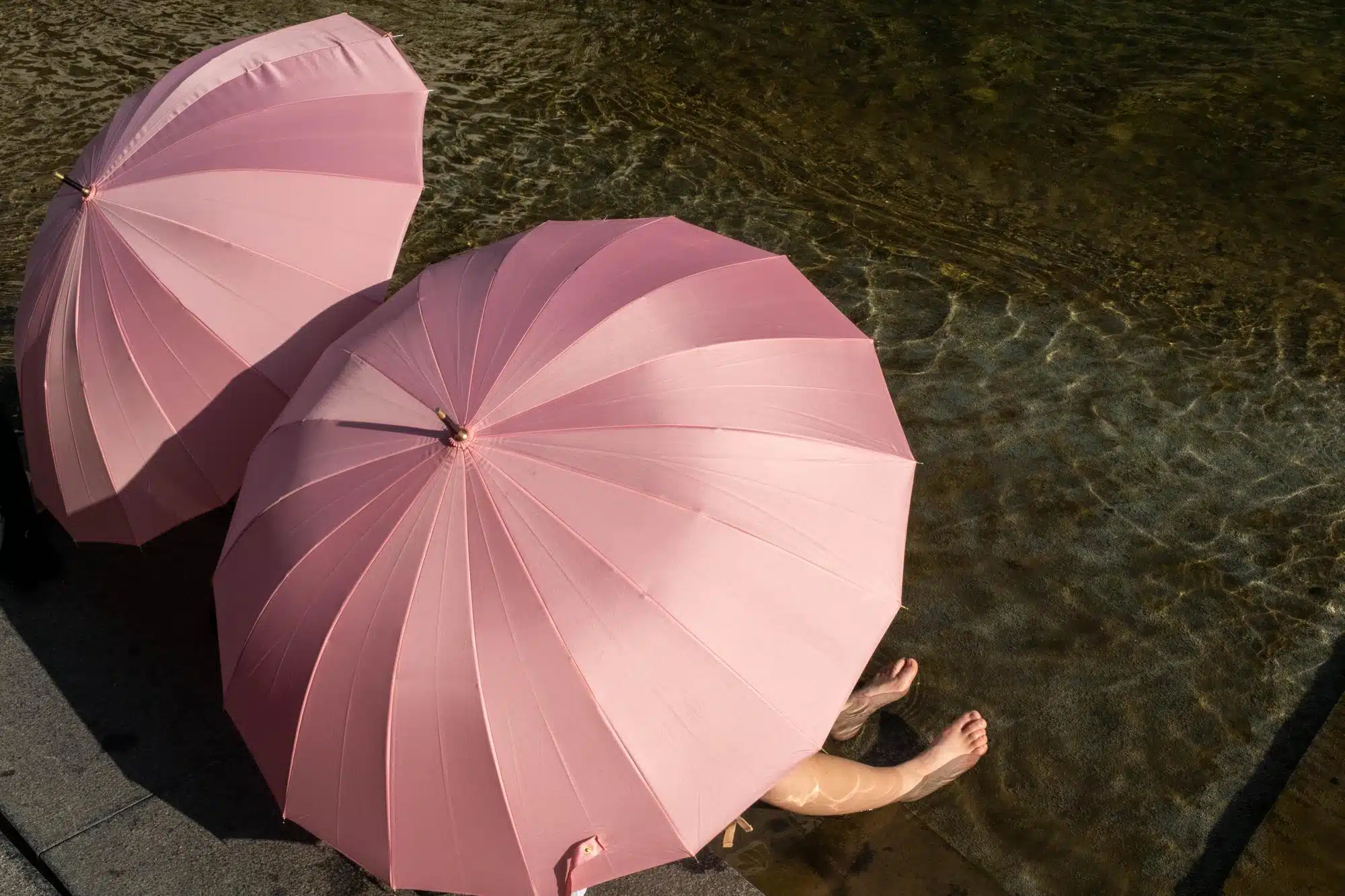
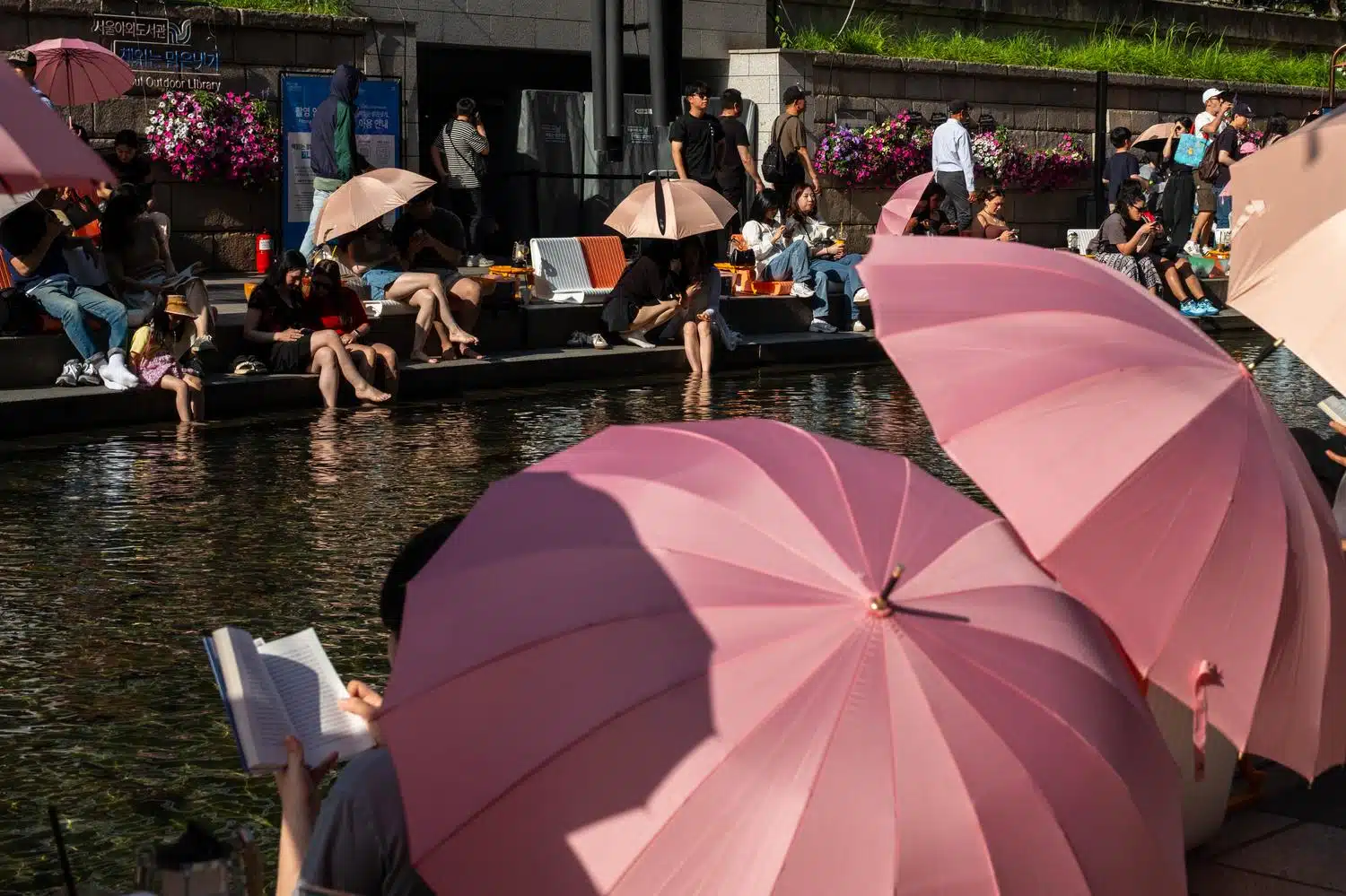
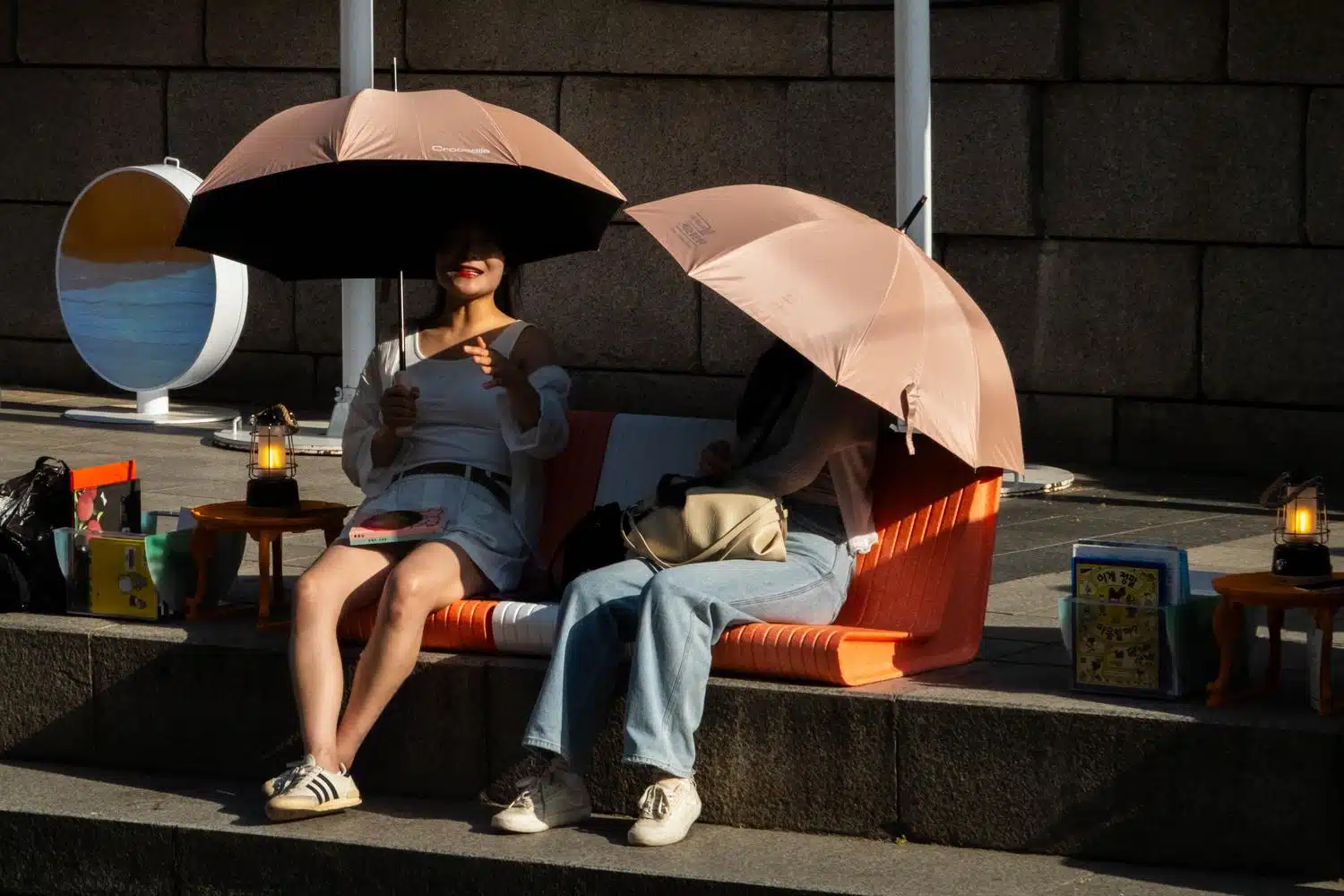
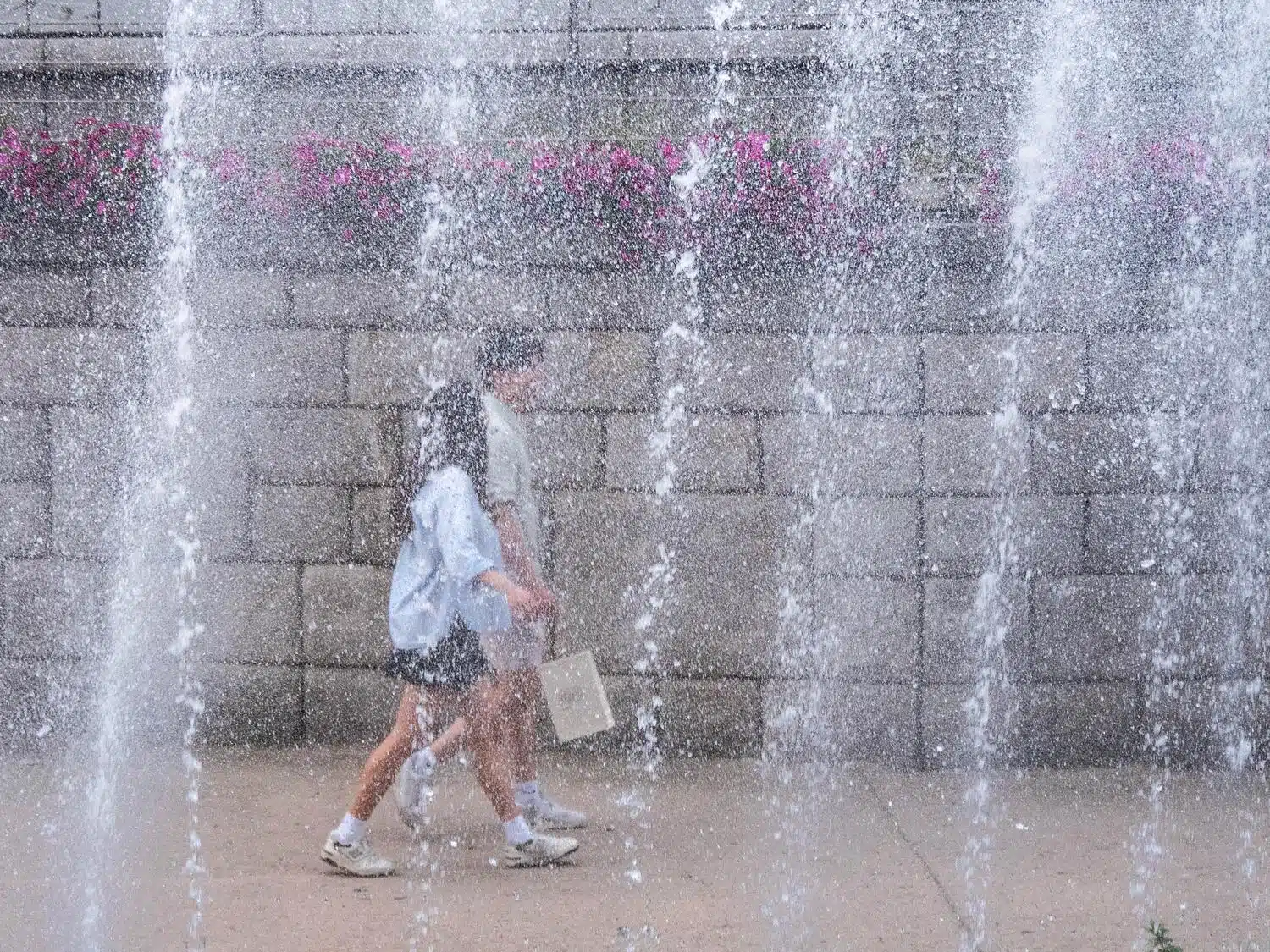
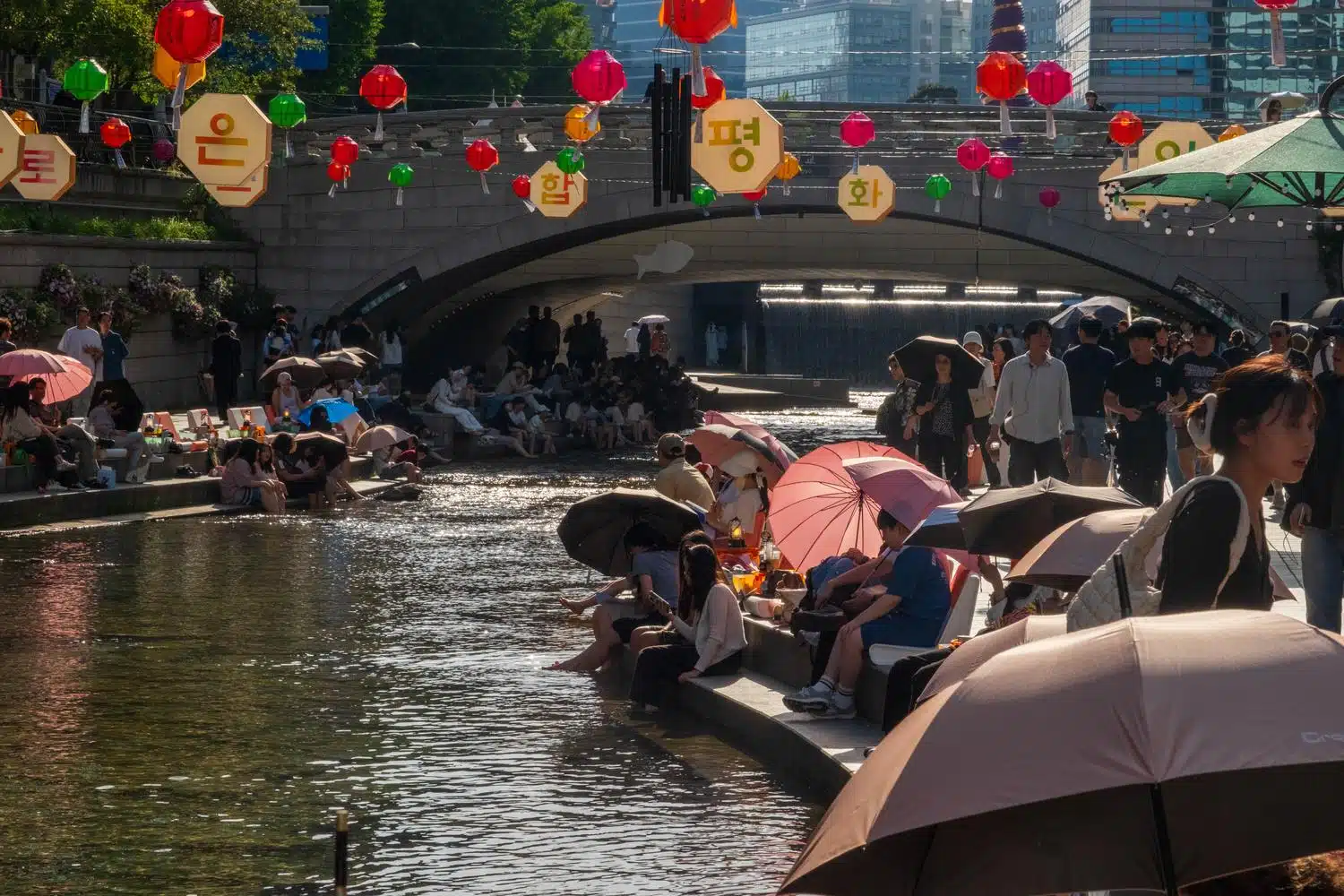
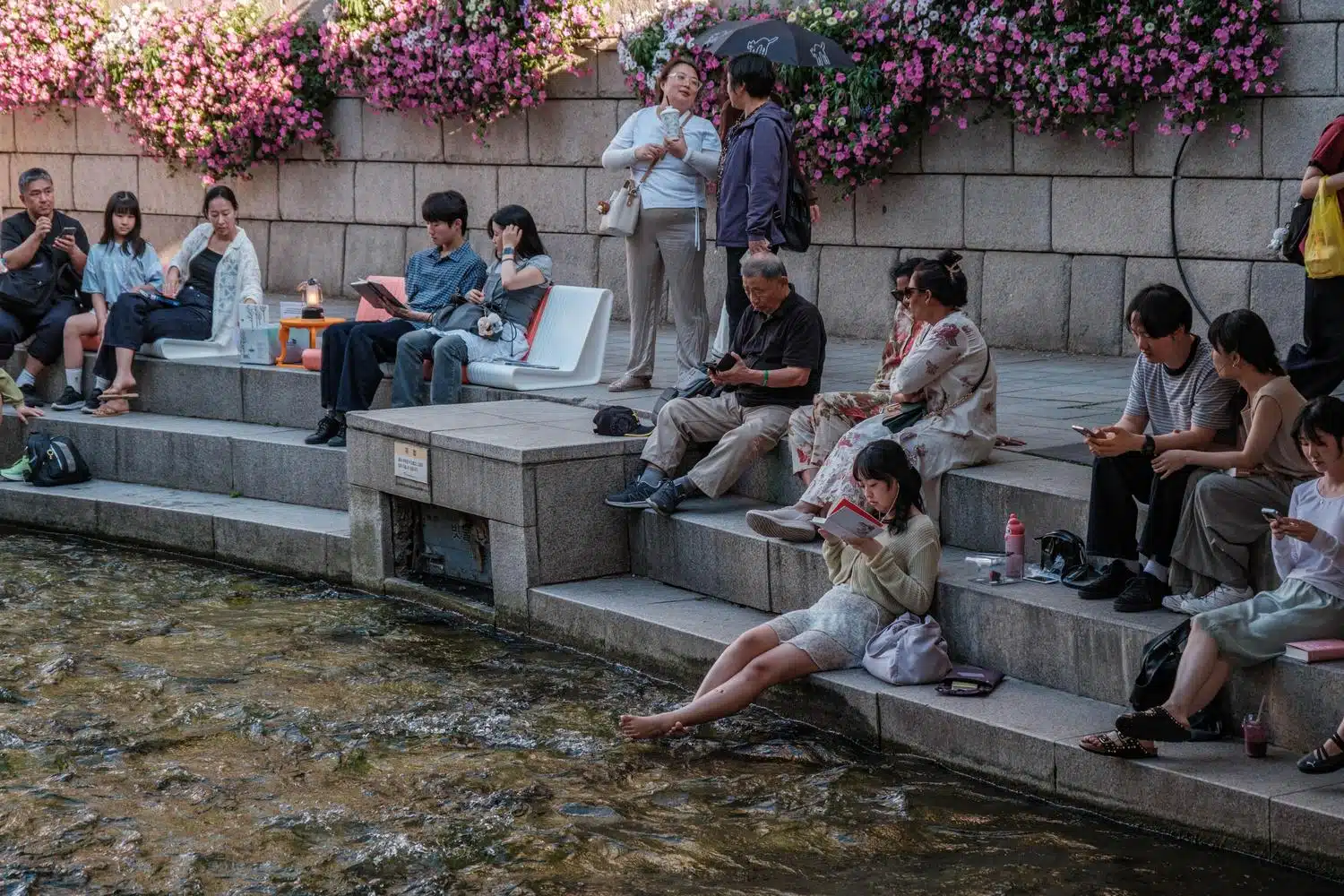
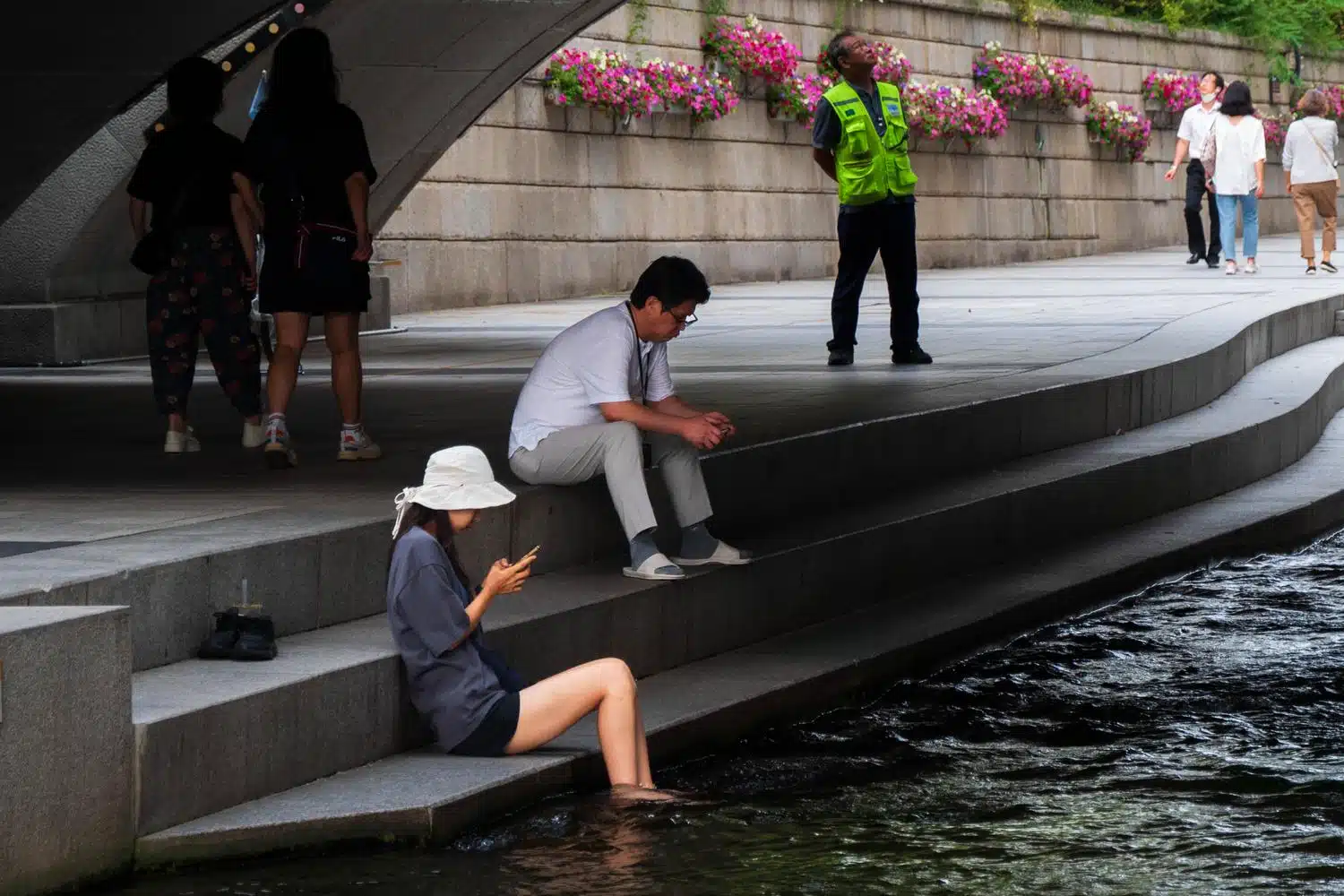
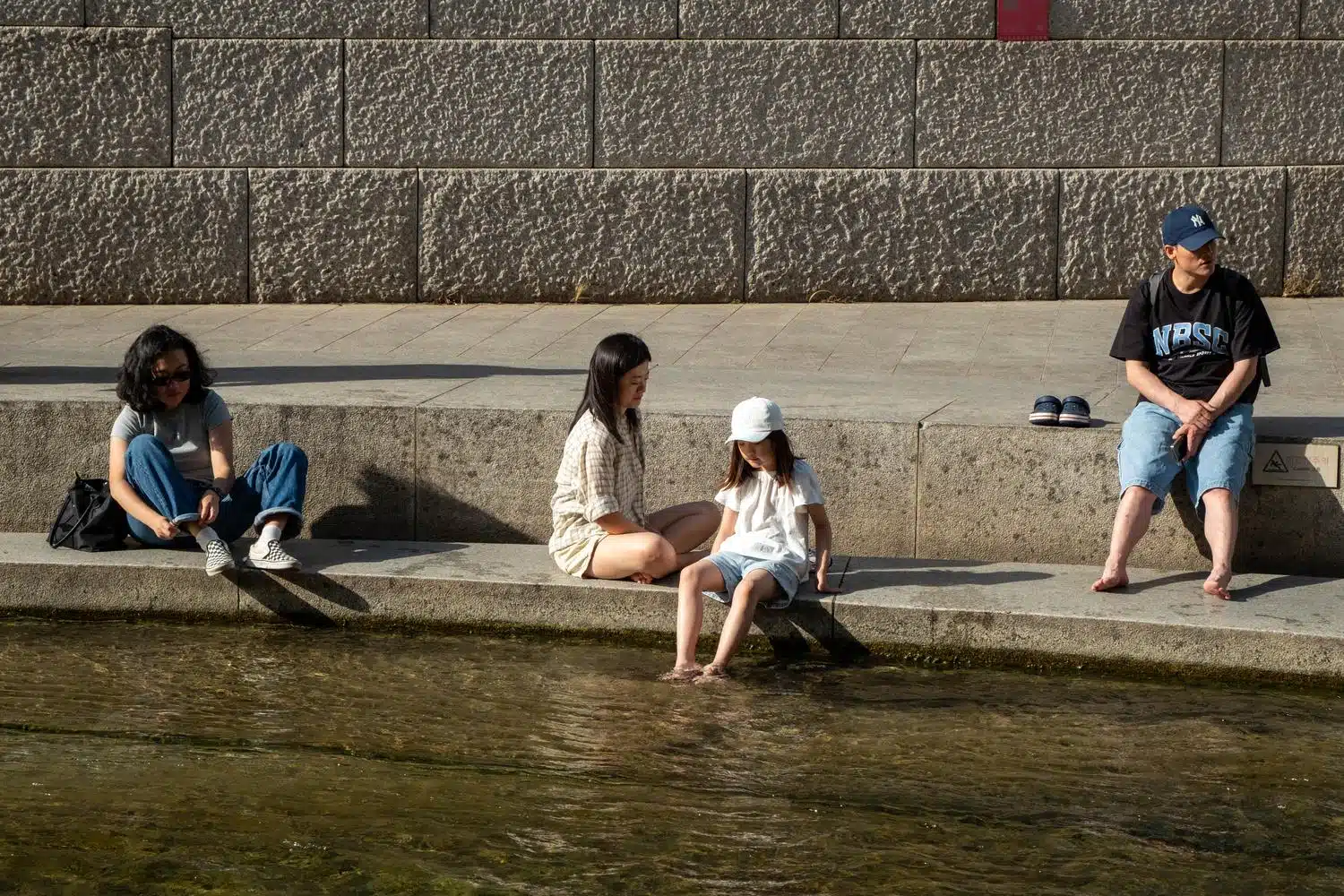
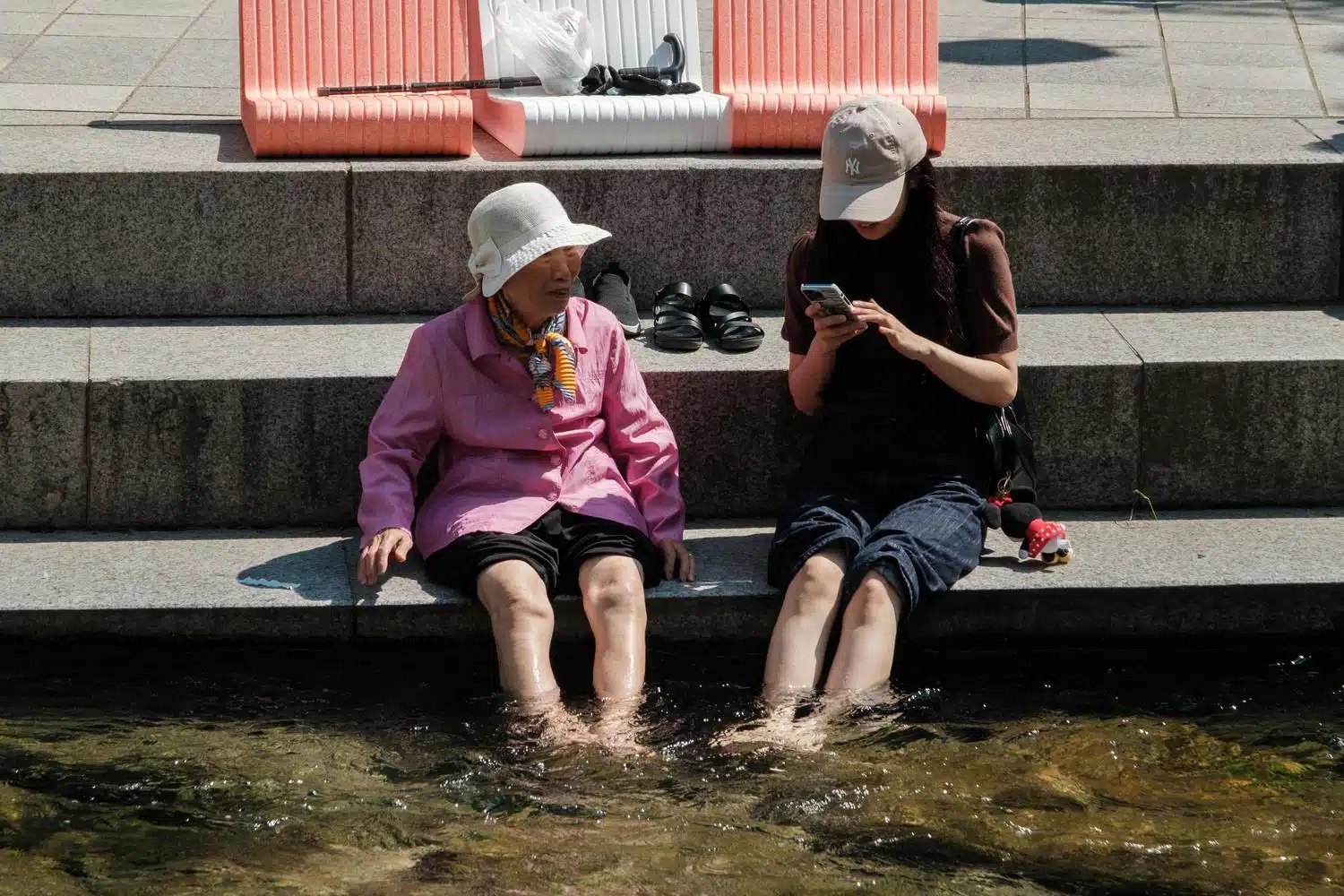
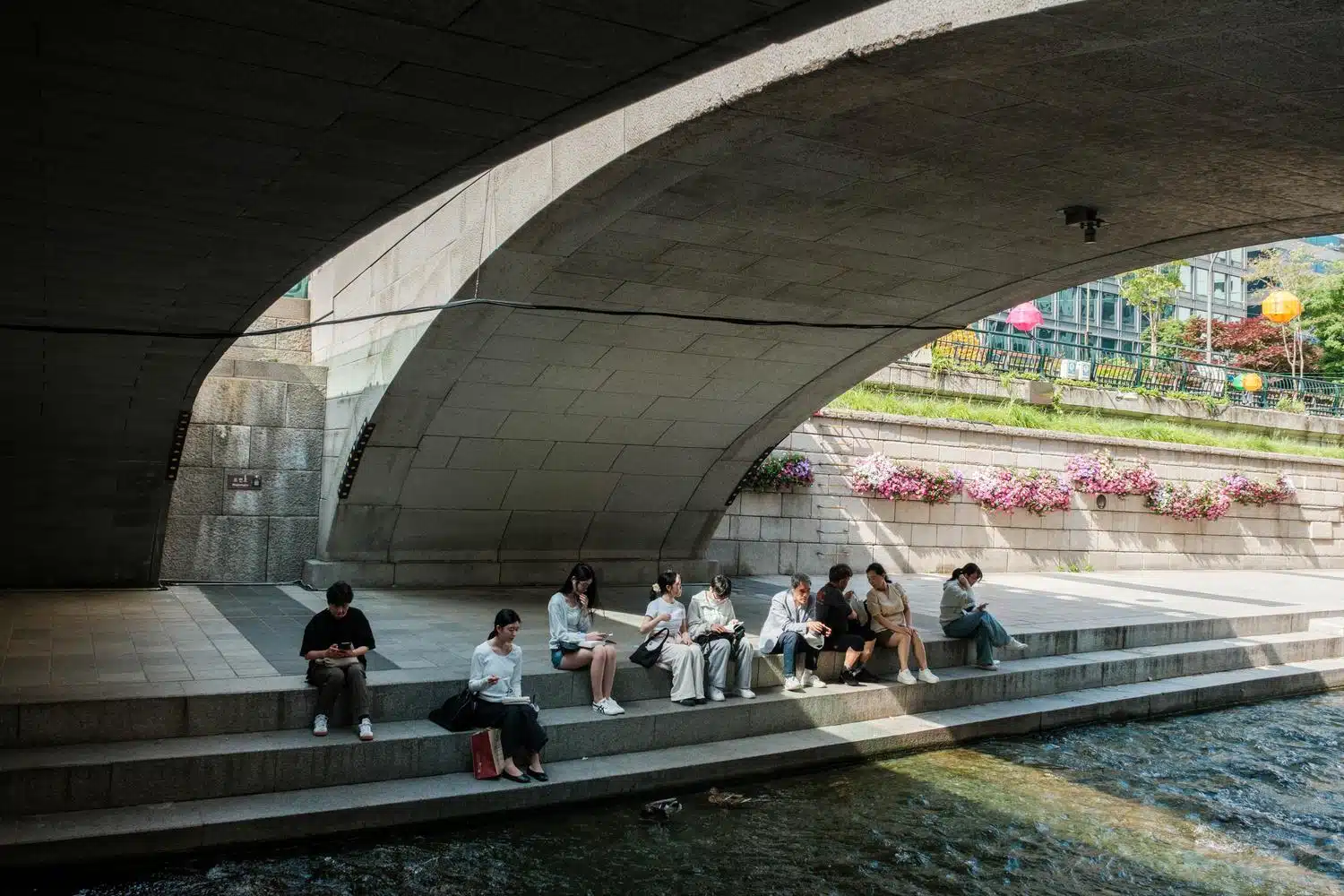
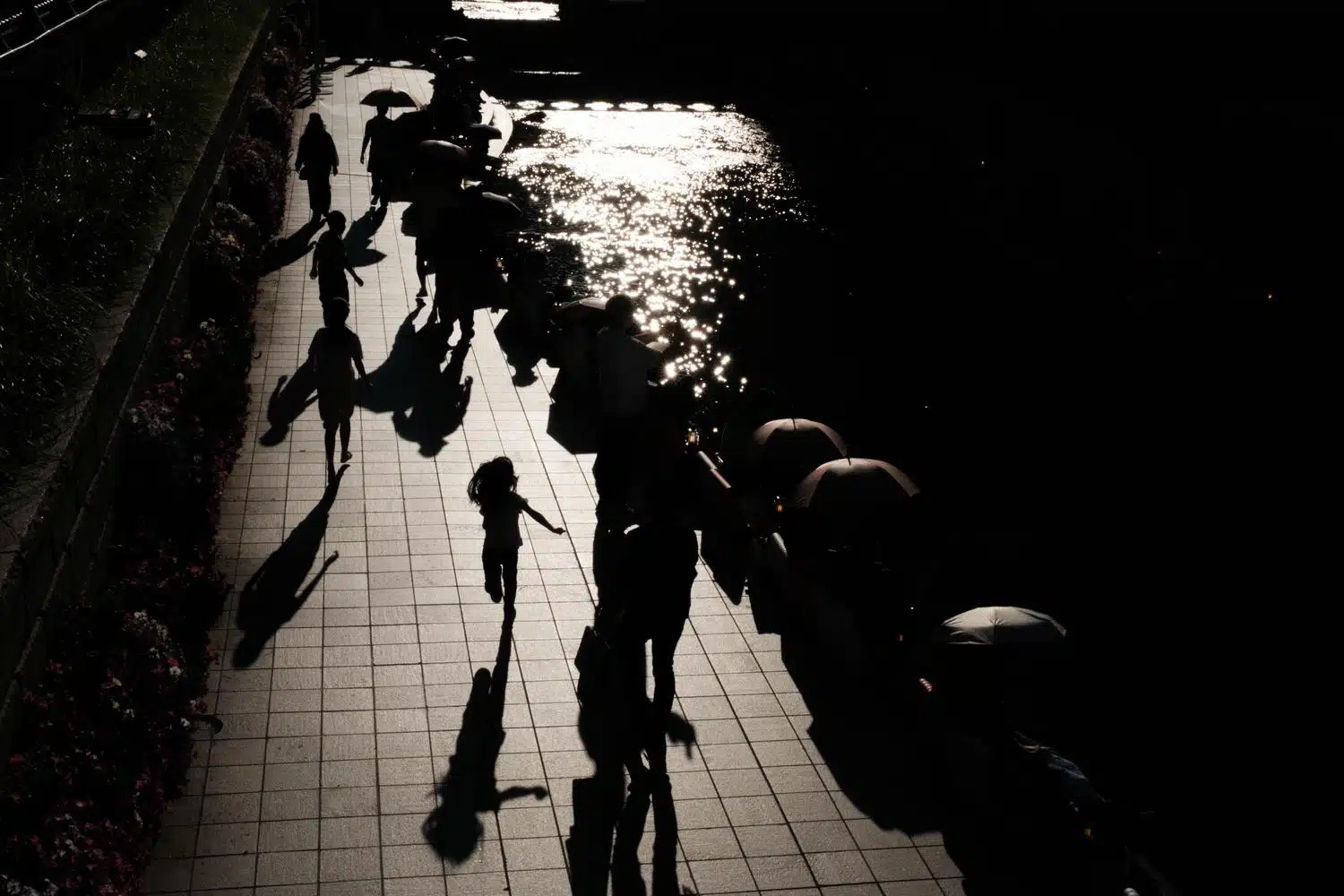
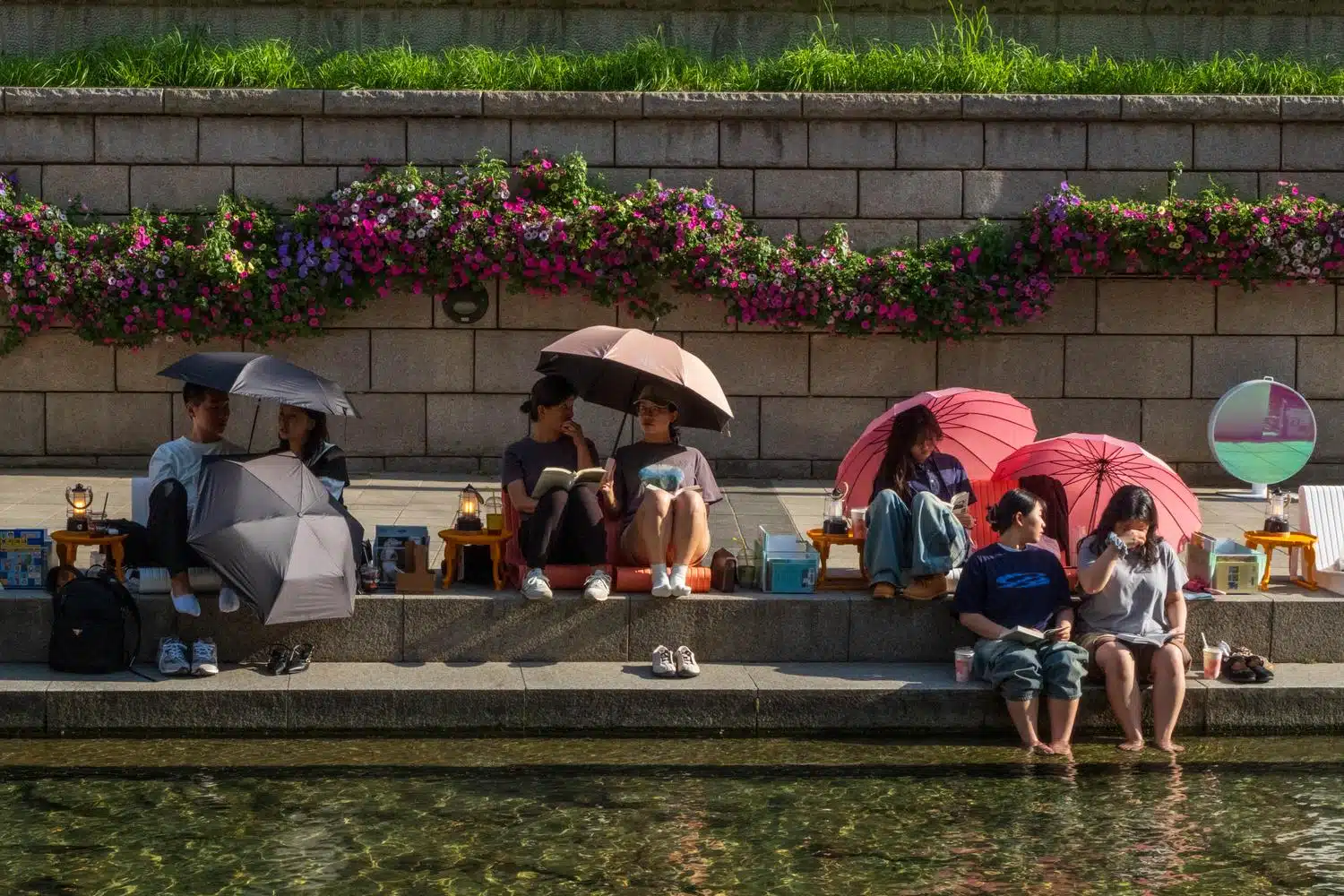
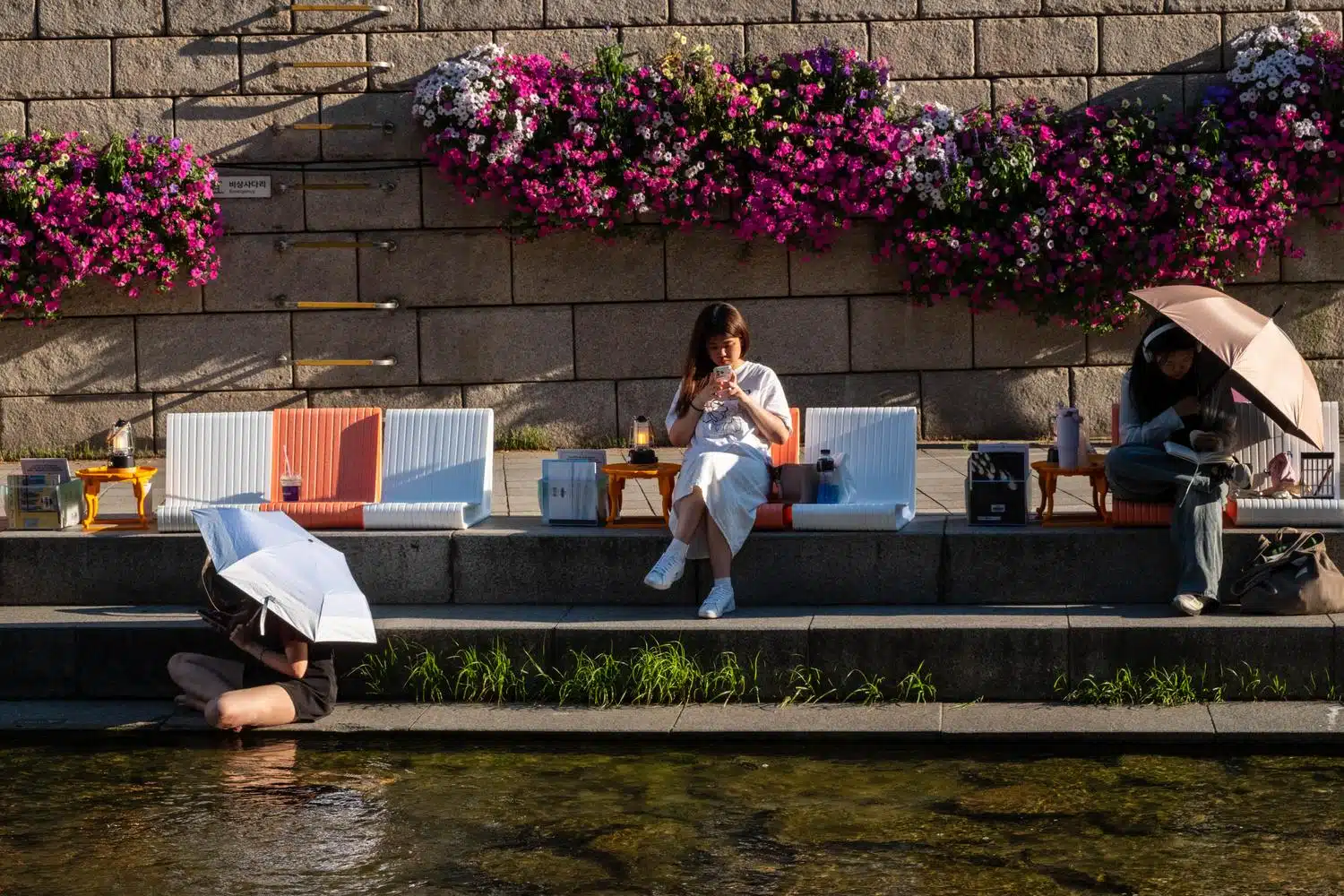
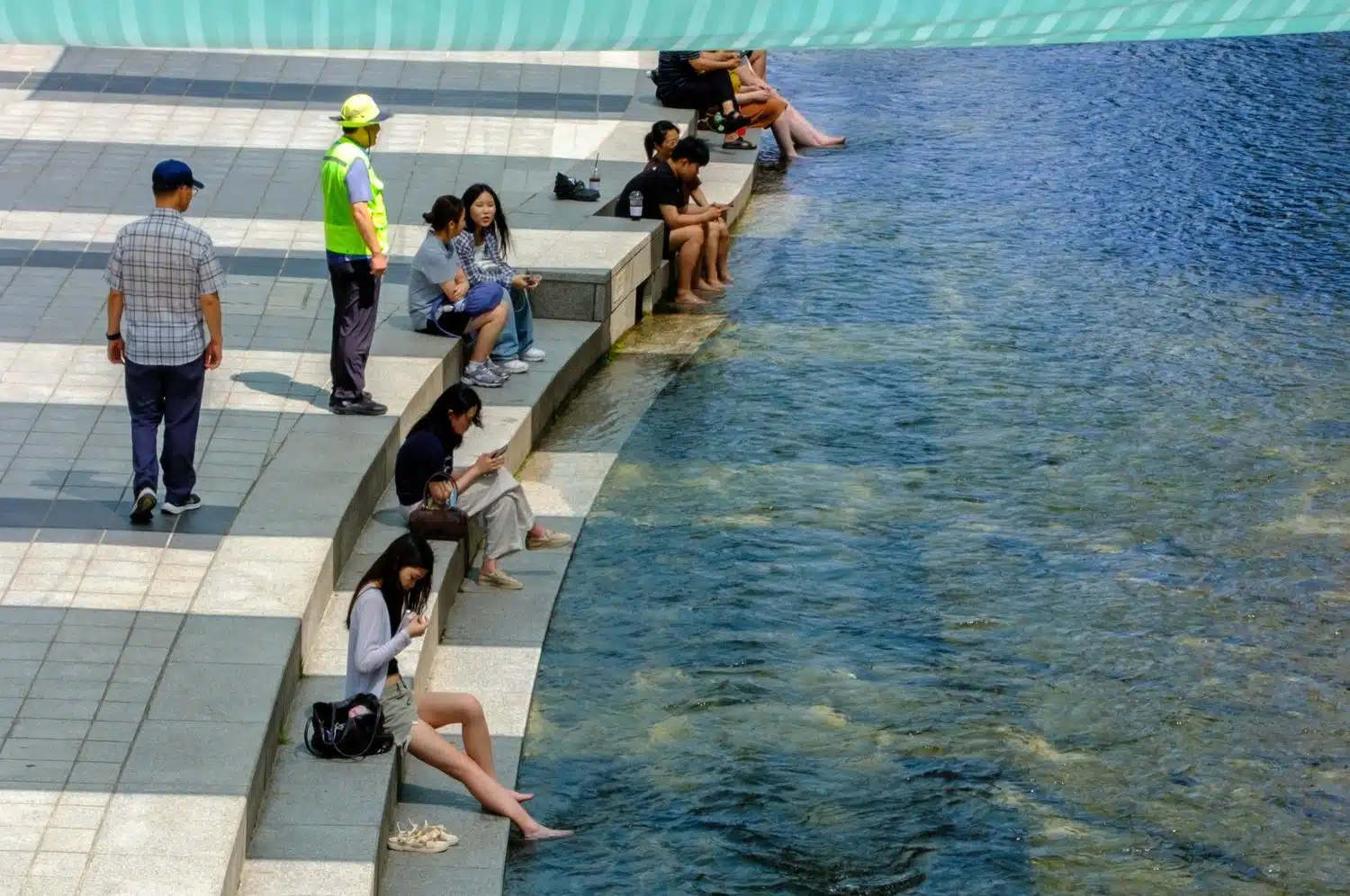
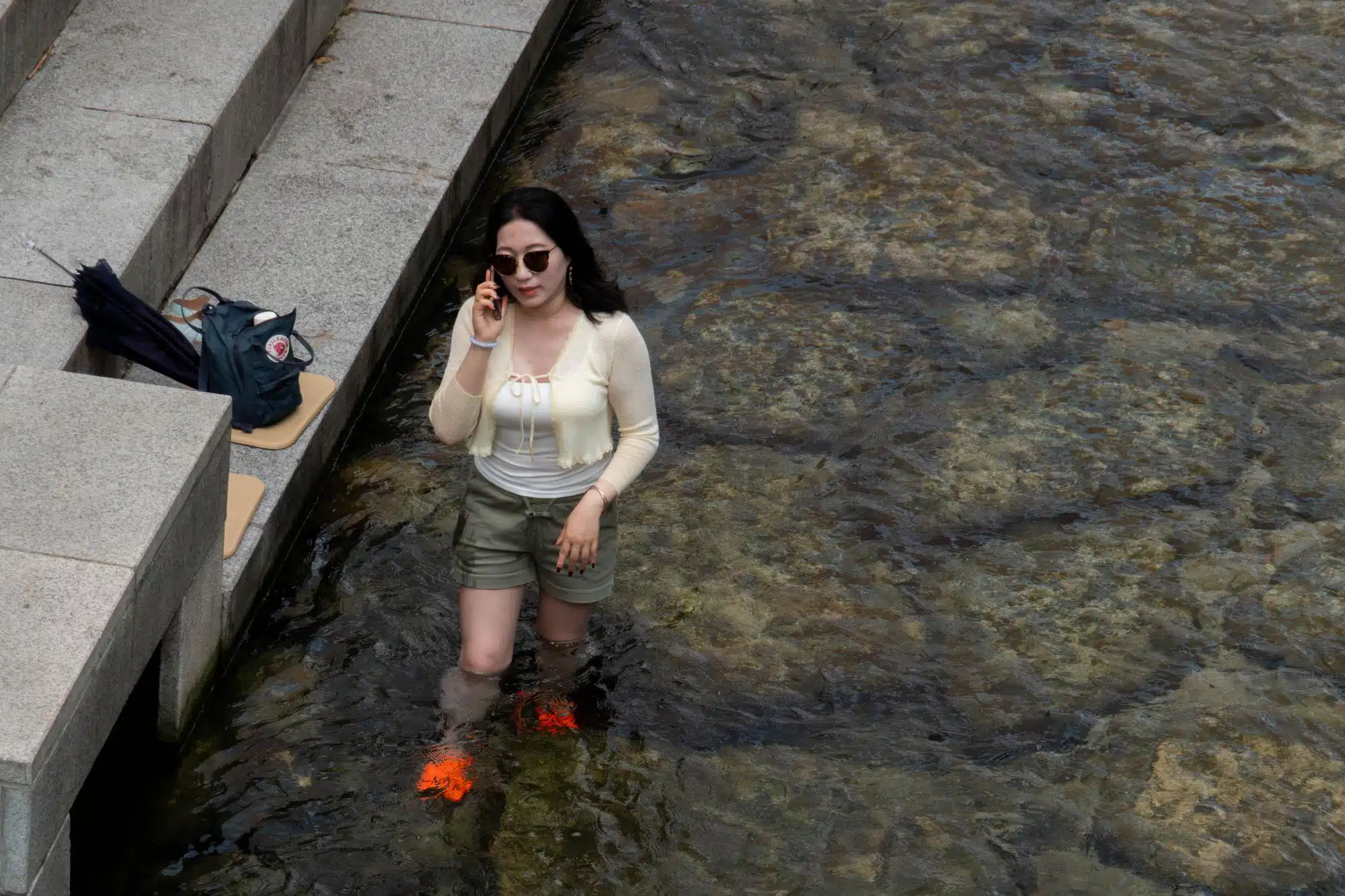
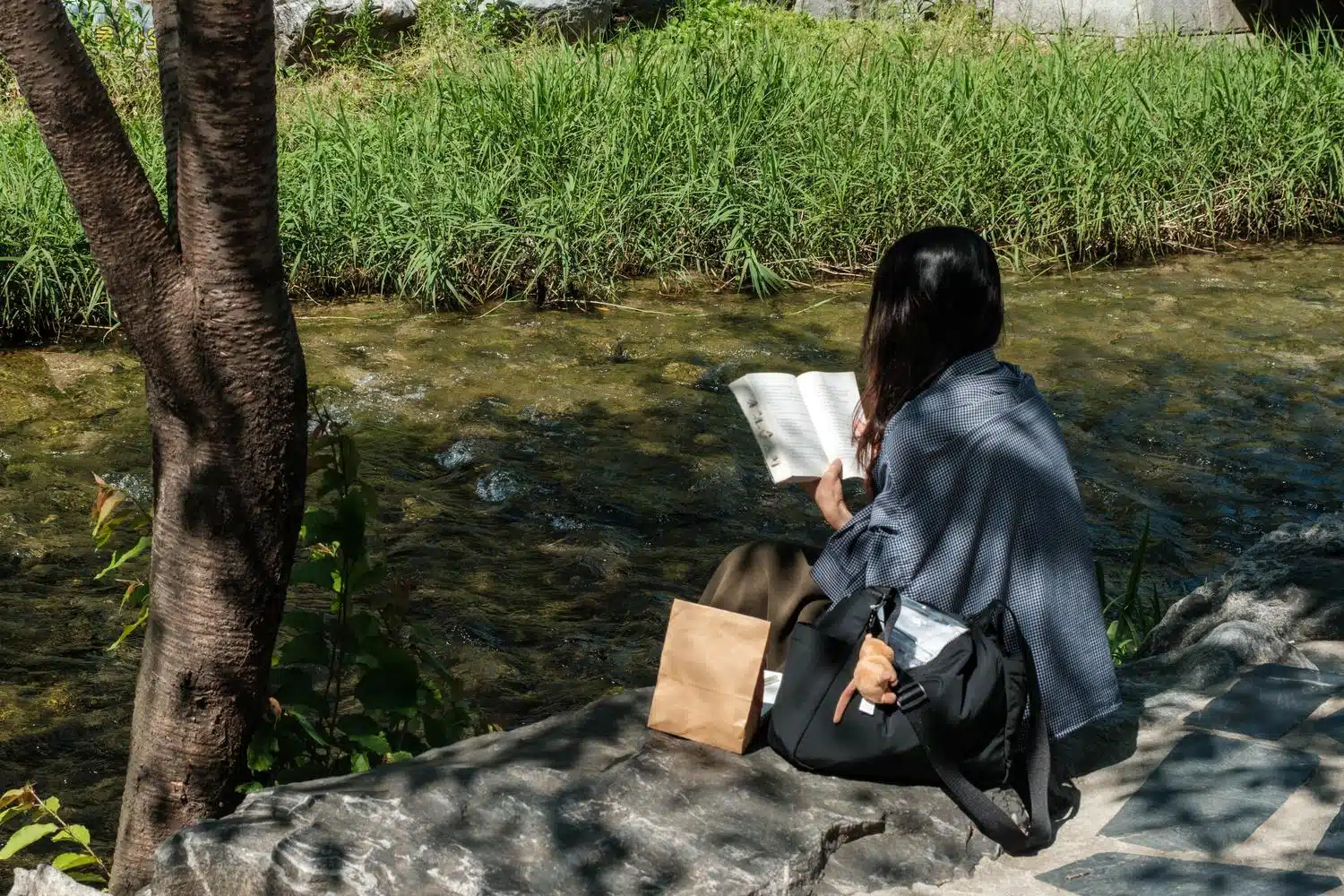
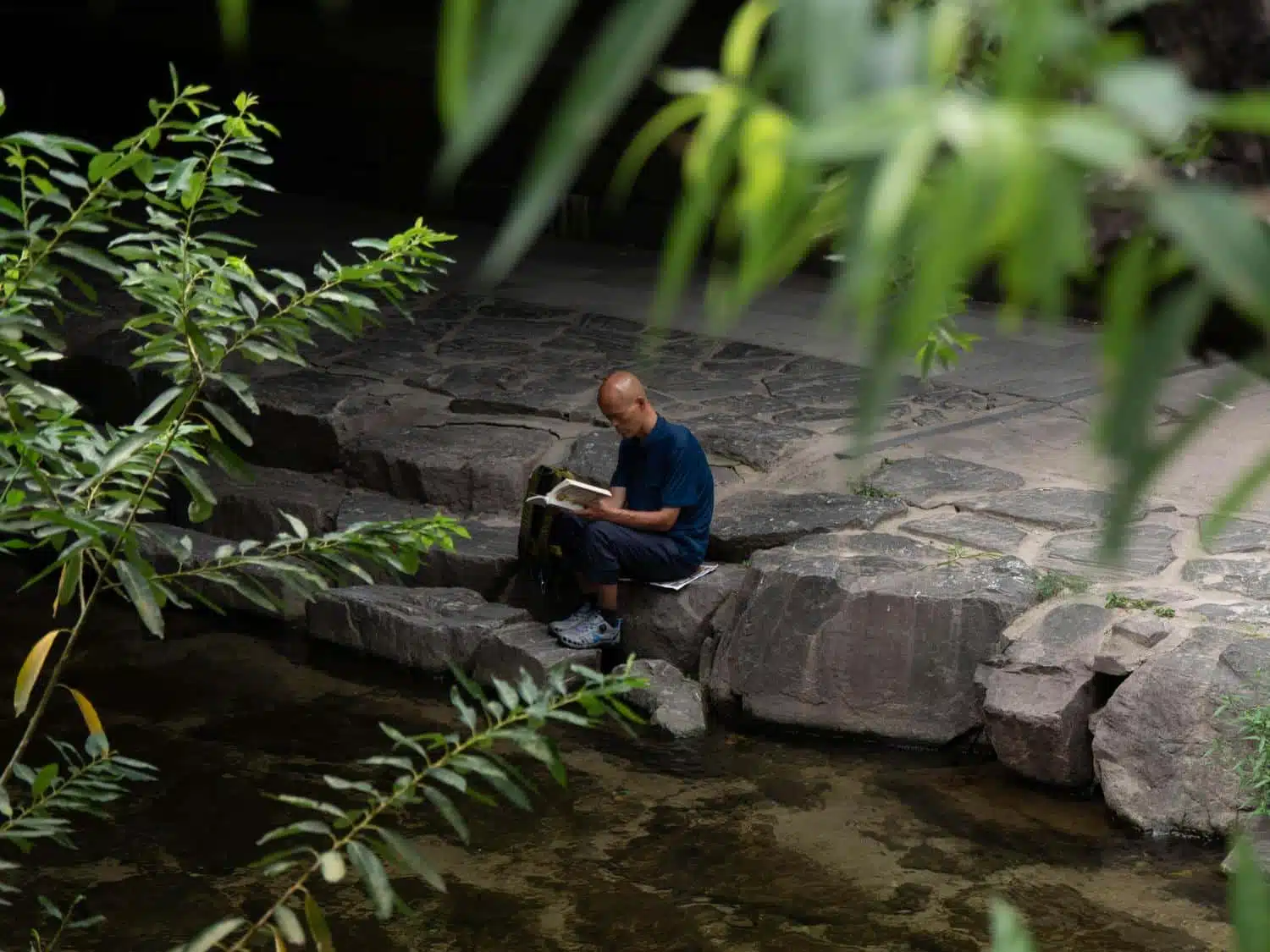
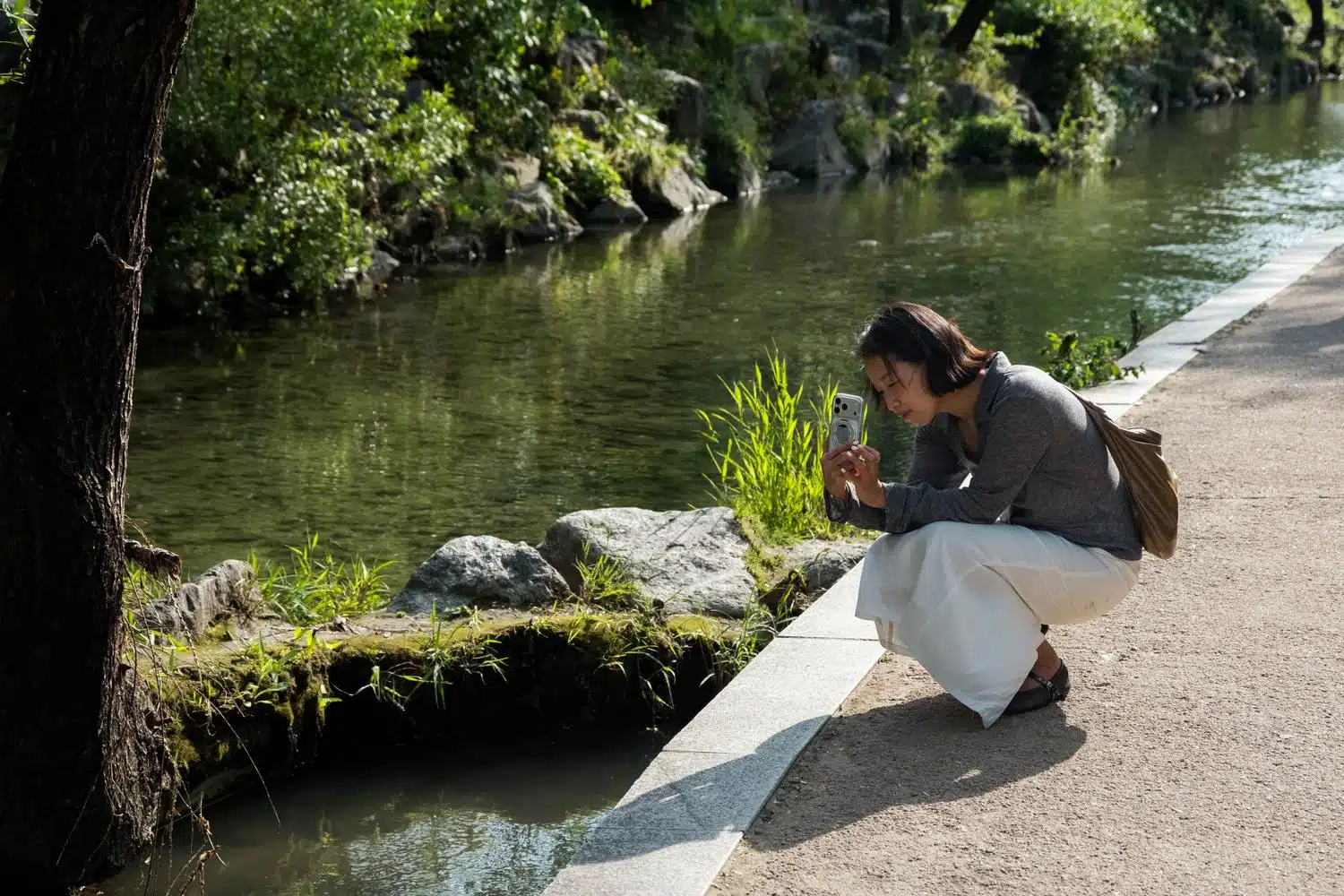
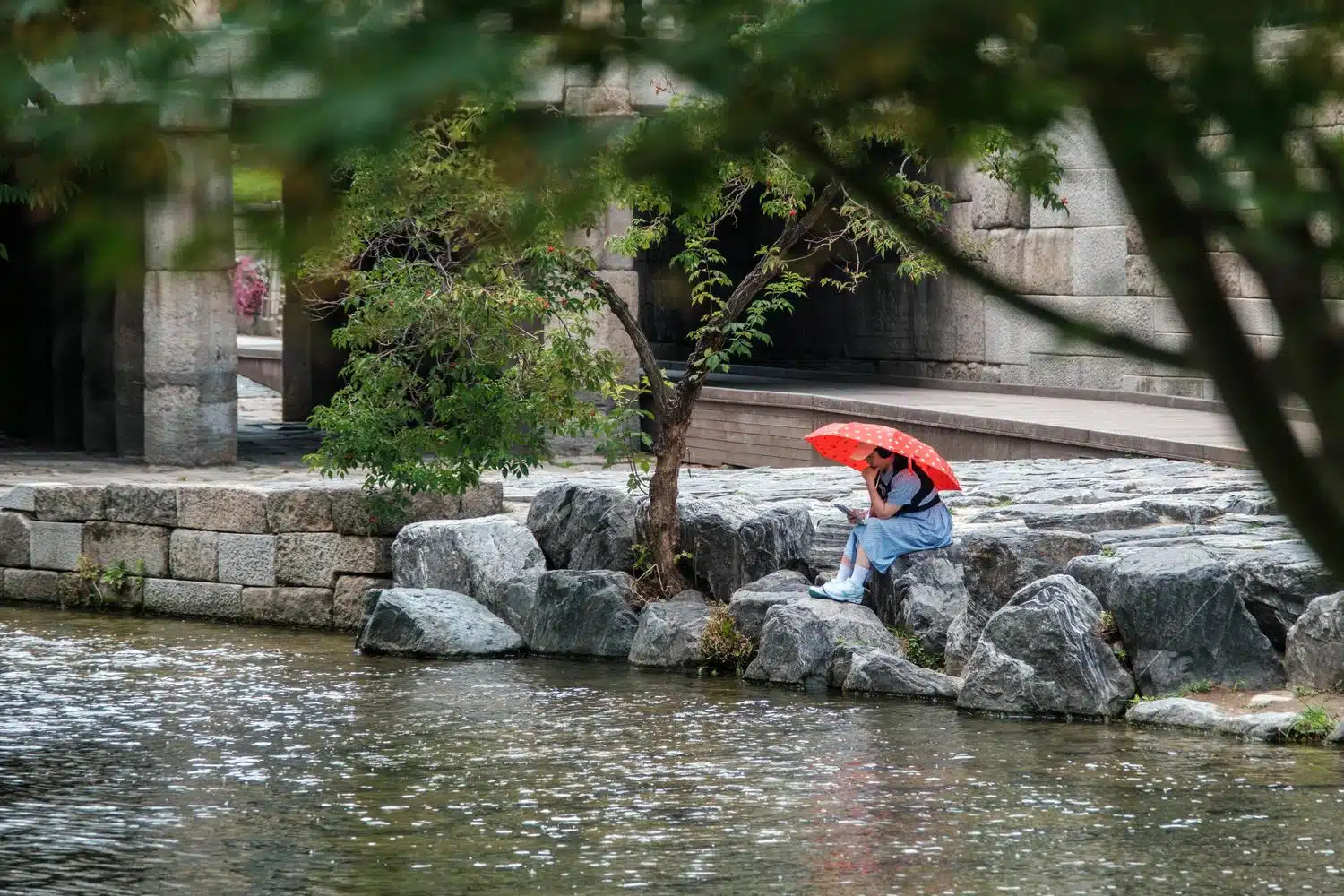
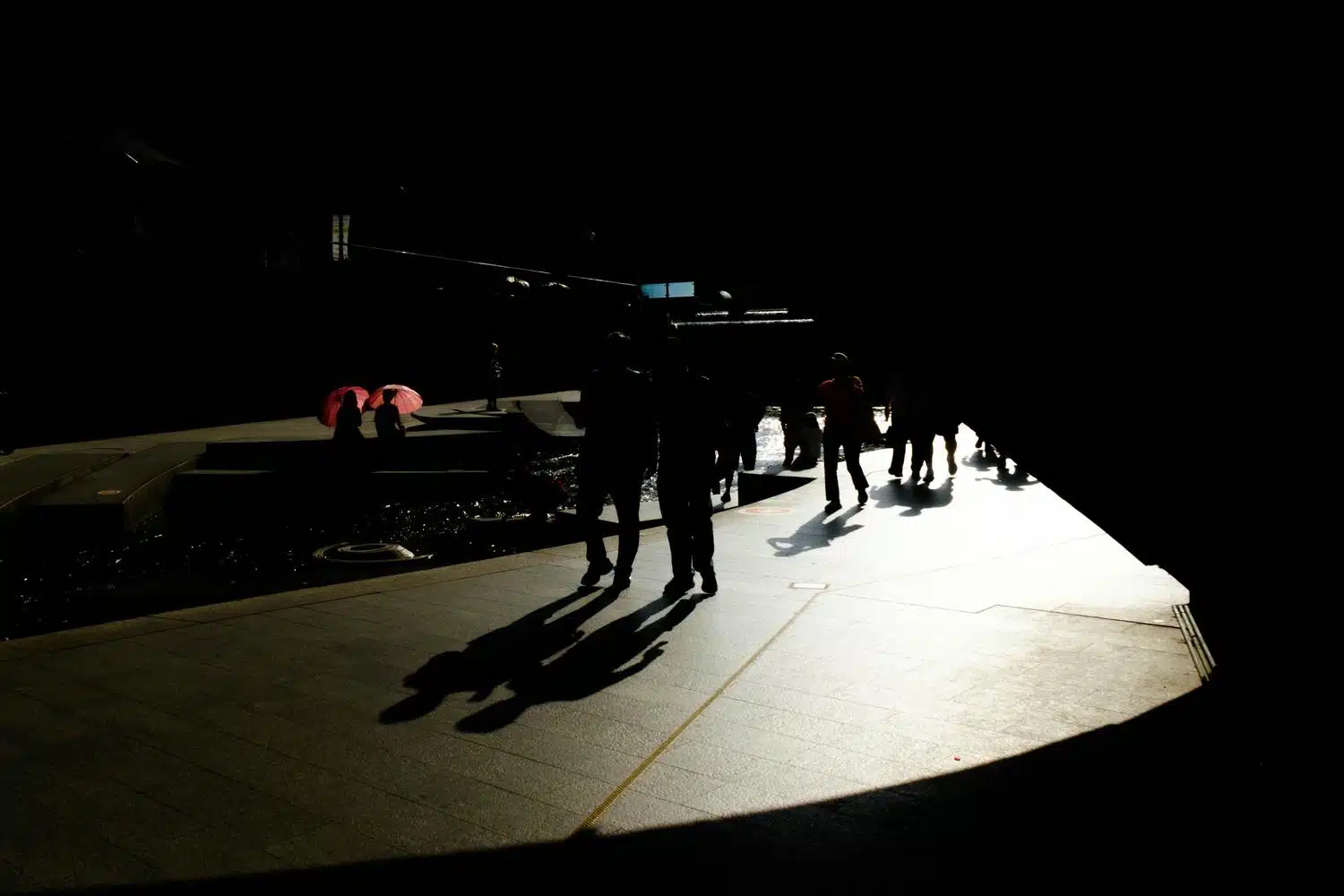
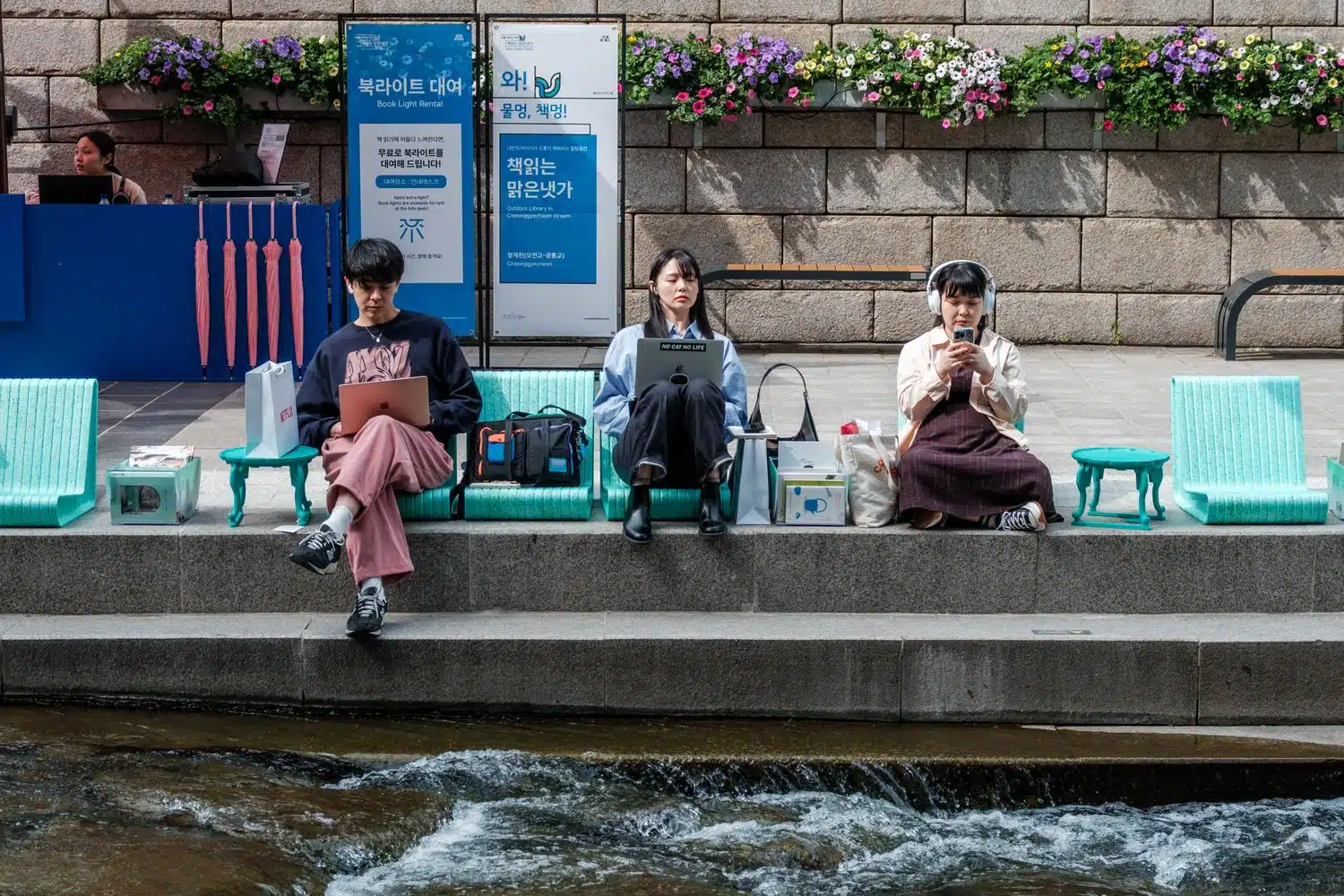
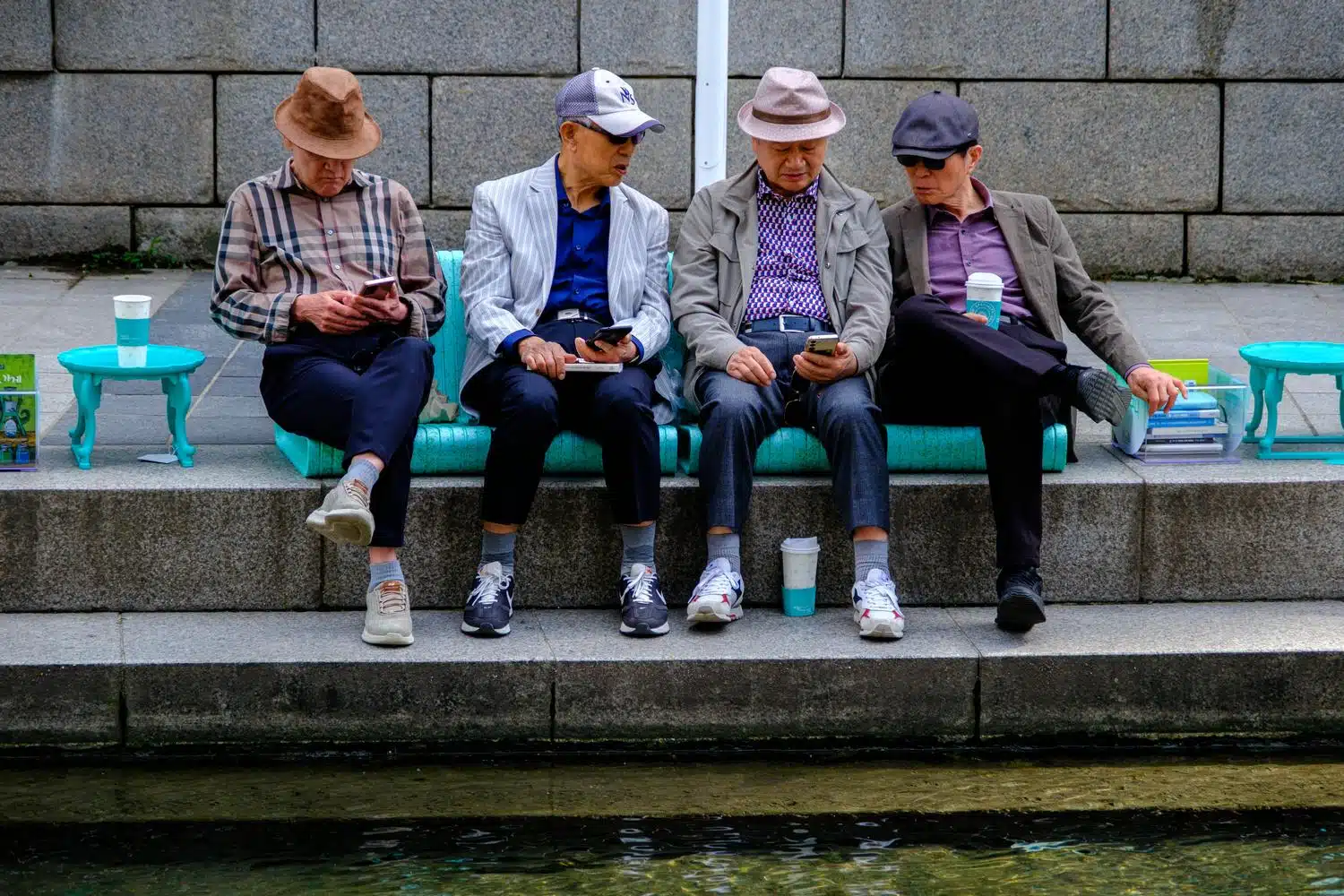
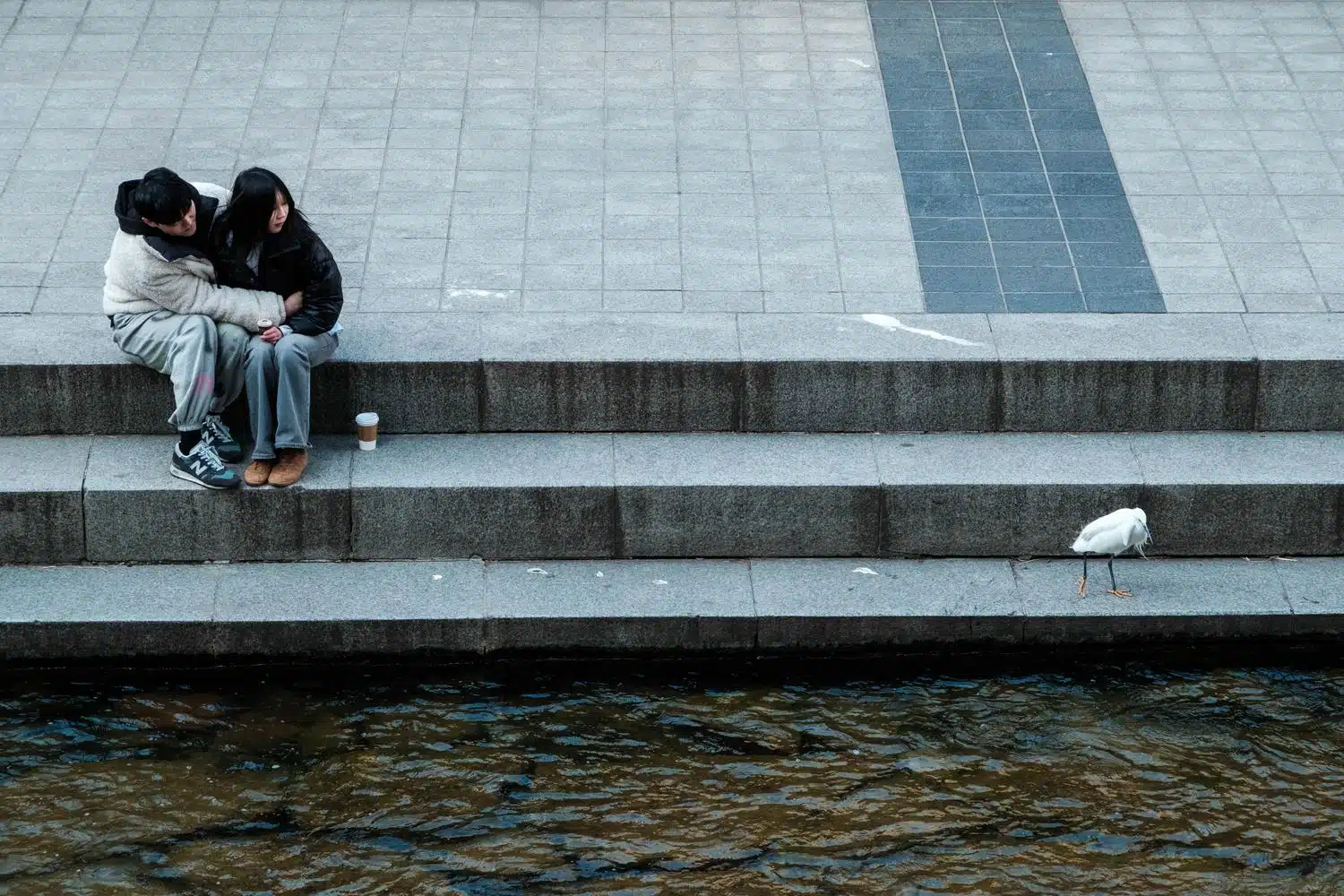
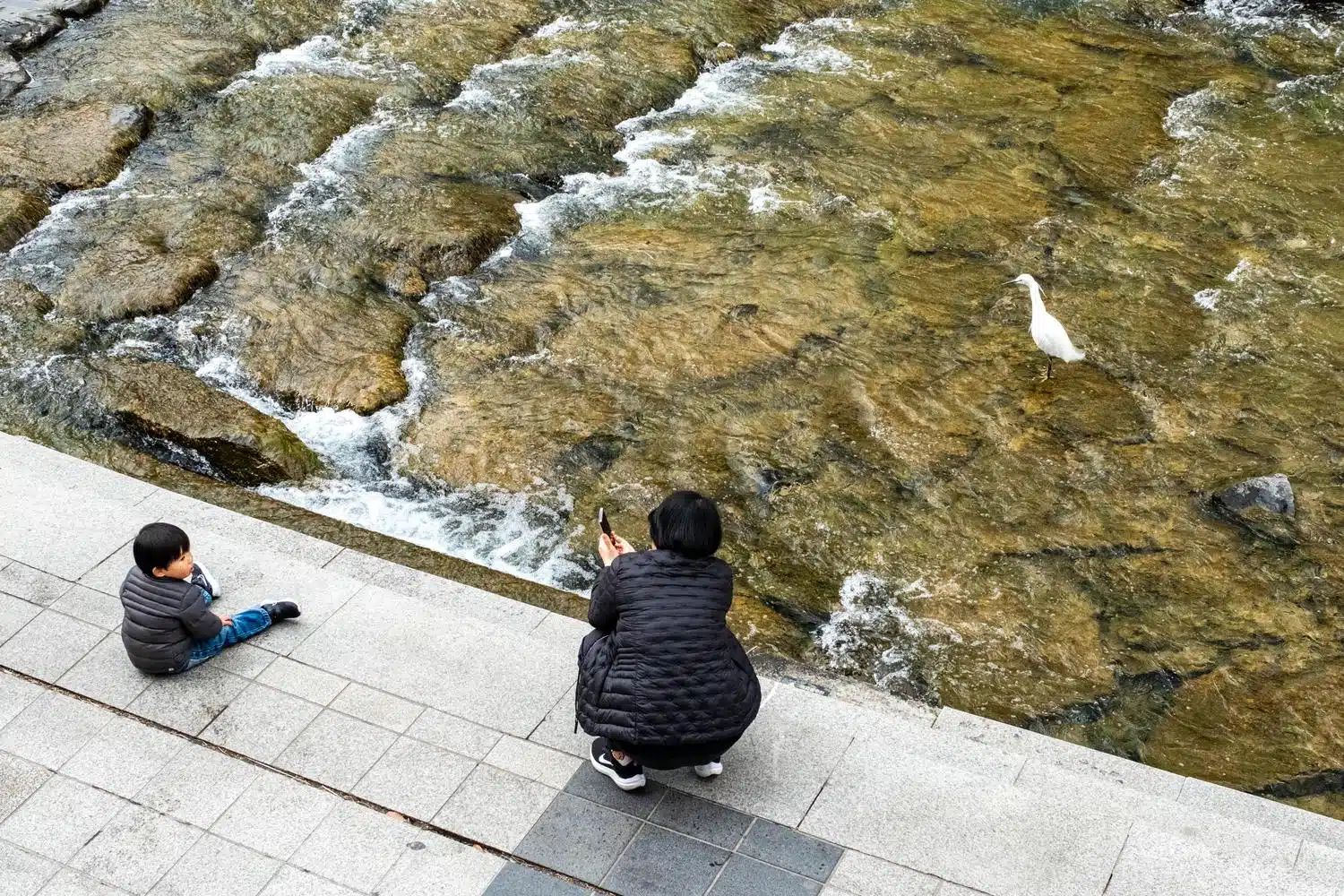
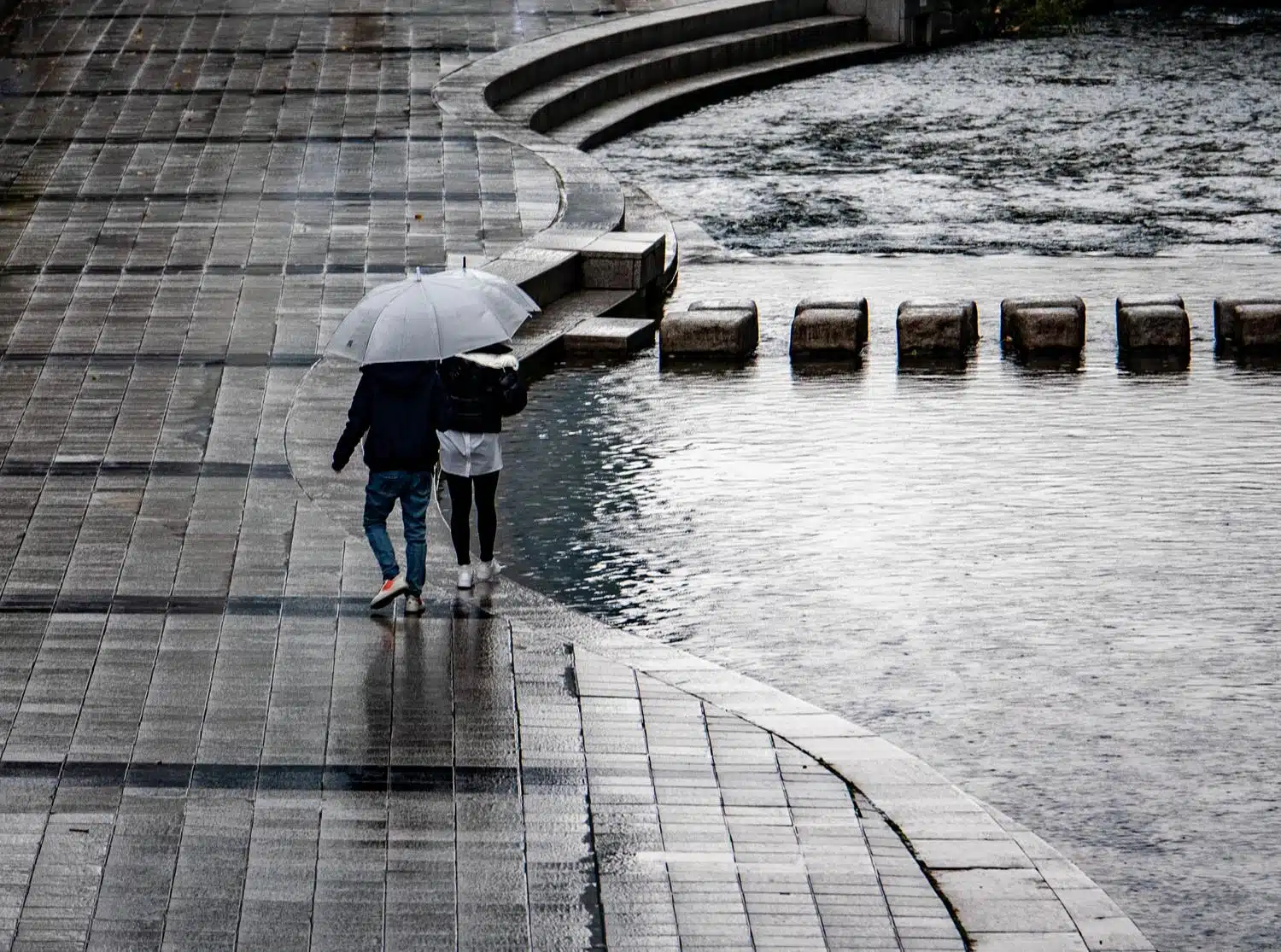
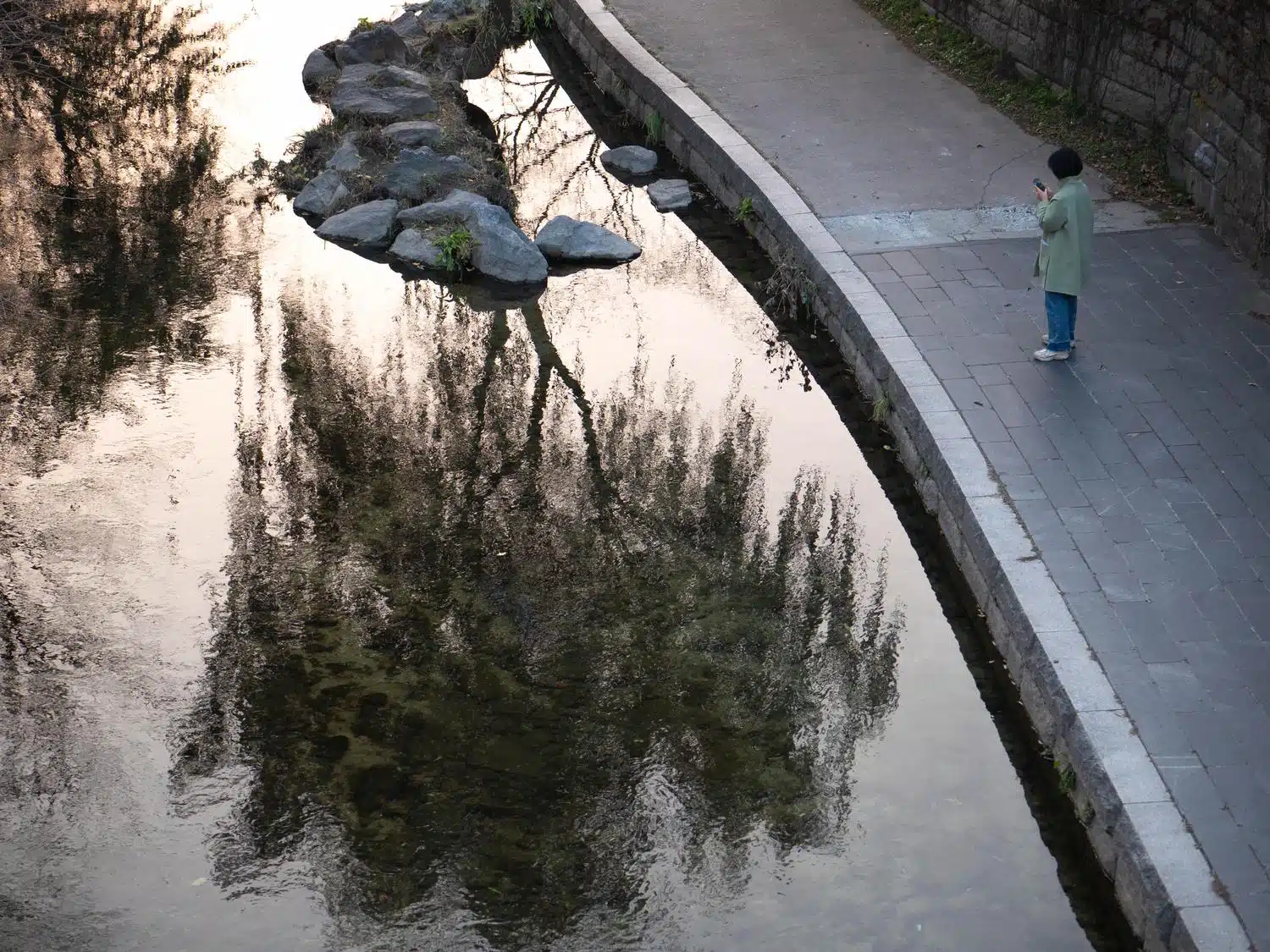
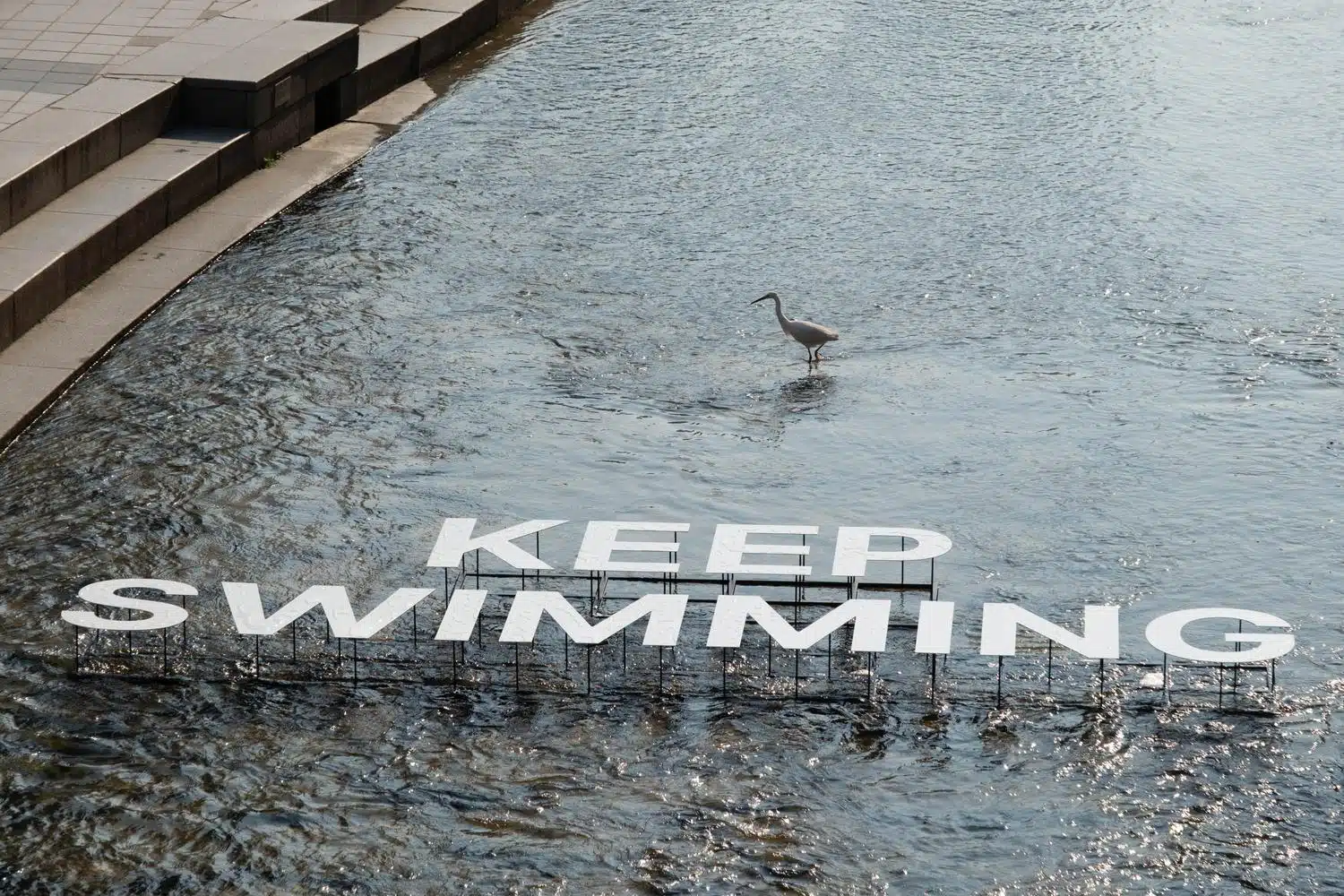
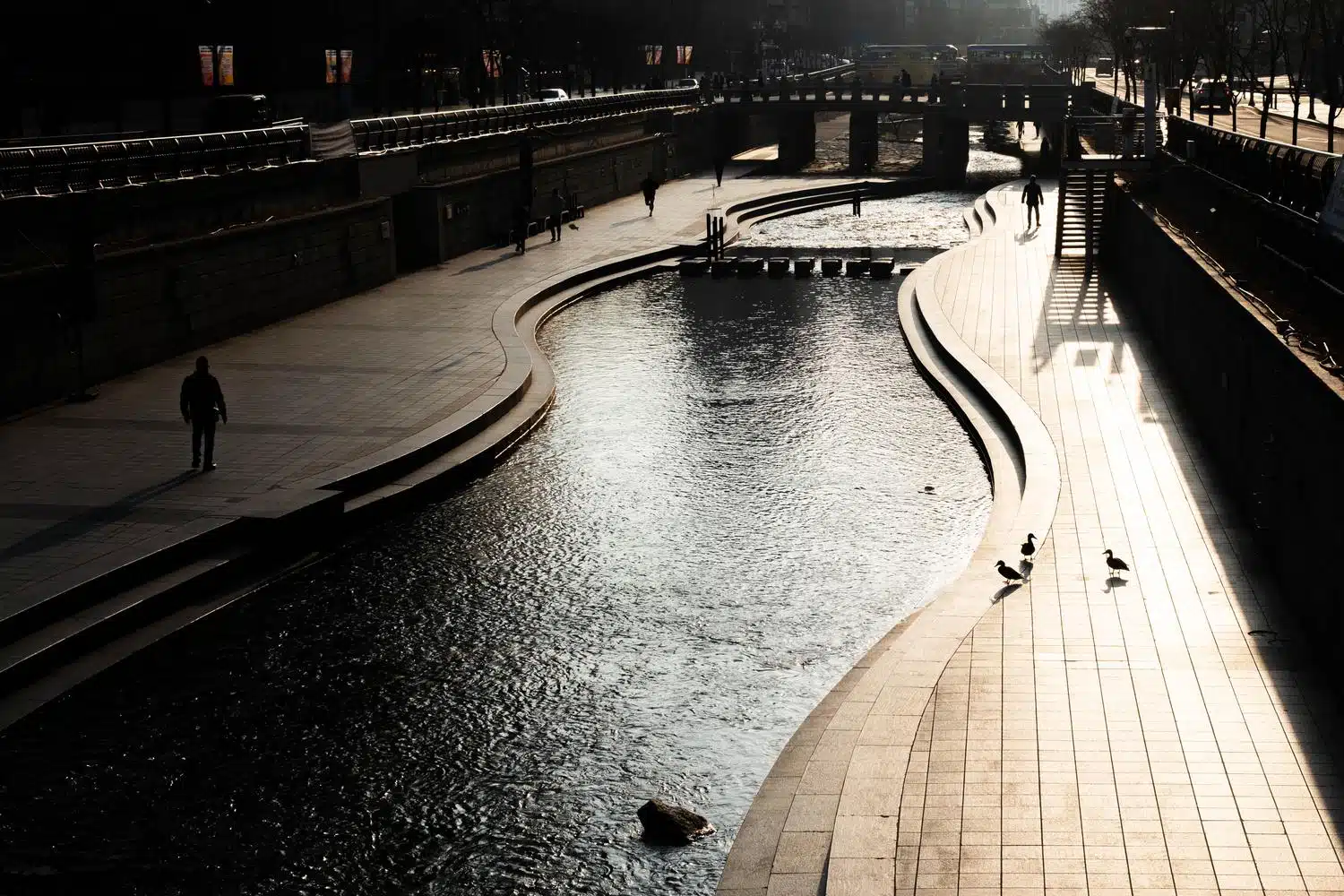
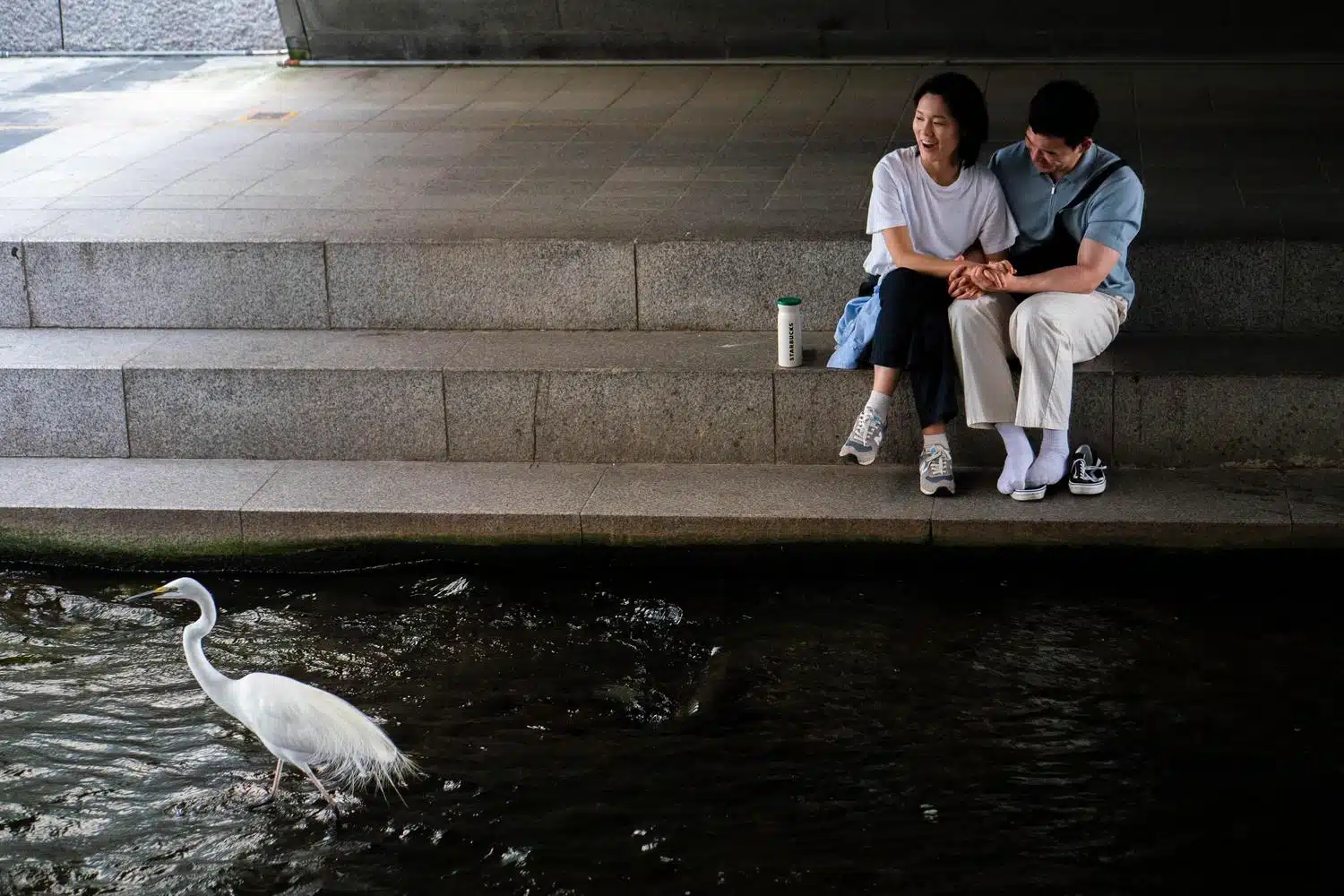
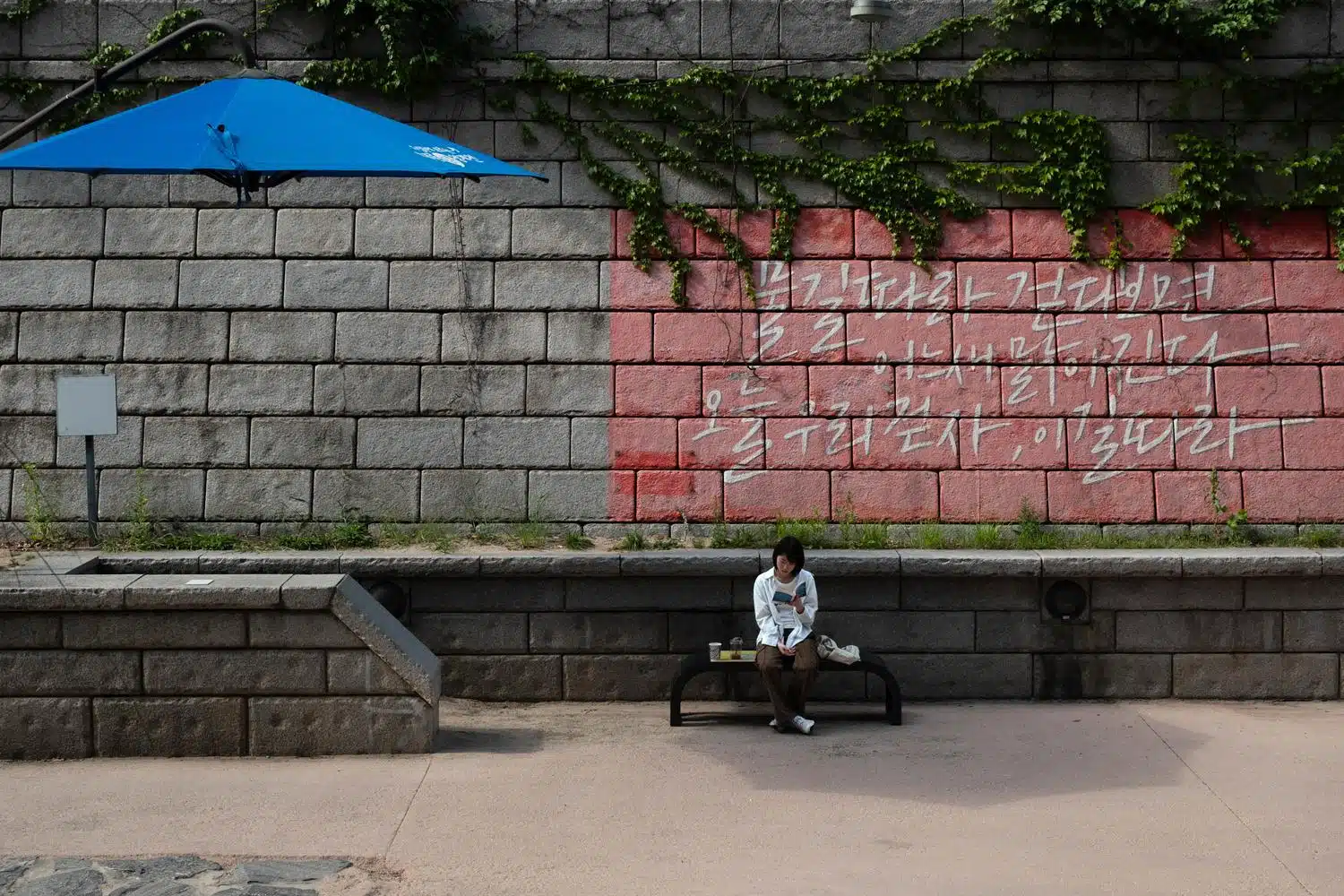
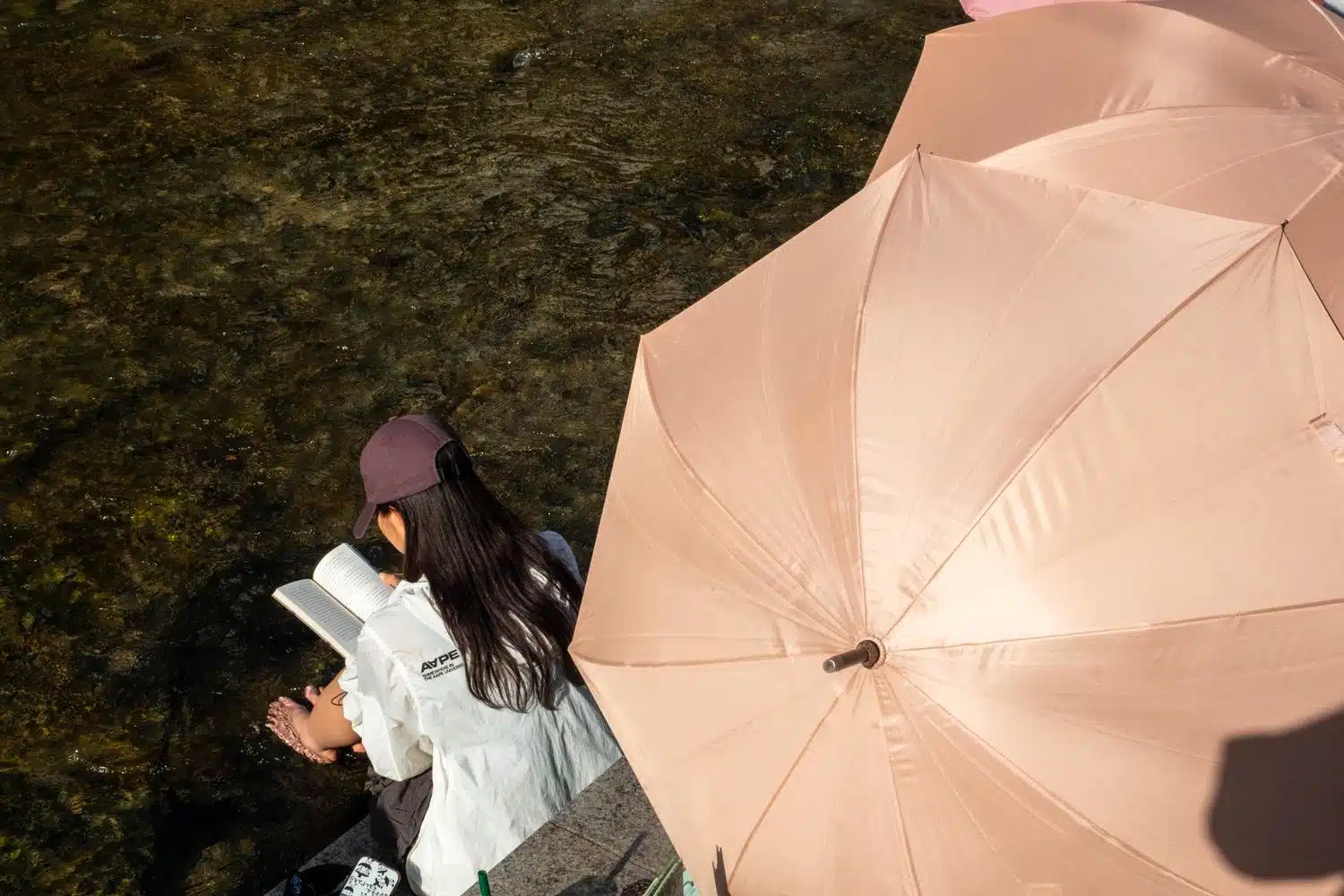
I like strolling along Seoul’s Cheonggyecheon after work no matter the season. In the spring, Seoulites come to read books in the shade of umbrellas, enjoy the mild weather after the harsh Korean winter and the sight of the many ducks and egrets fishing peacefully in the stream. In summer the cool air pooling between the stone walls and the flowing water where you can dip your feet are a relief after a long day. In autumn the light turns gold against the bridges; and even in winter, when ice rims the edges of the stream, the lanterns reflect on the dark surface and the cold somehow feels softer down there. Mostly, though, I go to watch people — couples leaning on the railings, office workers eating lunch, kids hopping across the stepping stones, old men reading newspapers on the benches. The stream is one of the best places in Seoul to simply sit and let the city happen around you.
Cheonggyecheon’s story stretches back to the early Joseon Dynasty, when the stream running through what would become the heart of Seoul served as a vital drainage channel for the new capital. For centuries, residents washed clothes along its banks, neighborhoods grew up around its bridges, and seasonal floods shaped daily life. As Korea industrialized in the twentieth century, the stream was paved over in stages and eventually buried beneath a concrete elevated highway by the late 1960s, a symbol of the country’s headlong rush toward modernization. The waterway disappeared from view, and for nearly four decades only old photographs and aging memories remembered it was ever there. Then, in a remarkably ambitious urban project launched in 2003, the highway was dismantled and the stream brought back to the surface, reopening to the public in autumn 2005.
The restored stream now runs for nearly eleven kilometers through downtown Seoul, beginning near Gwanghwamun and winding eastward until it meets the Jungnangcheon and ultimately the Han River. Because the original water table no longer supports a natural flow, water is pumped in from the Han River and from groundwater drawn beneath nearby subway stations, kept clean and cool year-round. Reeds, irises, and willows line the banks, and the project deliberately set the walking paths several meters below street level, so visitors descend into a quieter, greener corridor insulated from the traffic above. Herons, ducks, and small fish have returned, and on hot summer days the stream measurably lowers the surrounding air temperature, offering one of central Seoul’s few genuine breaks from the heat island.
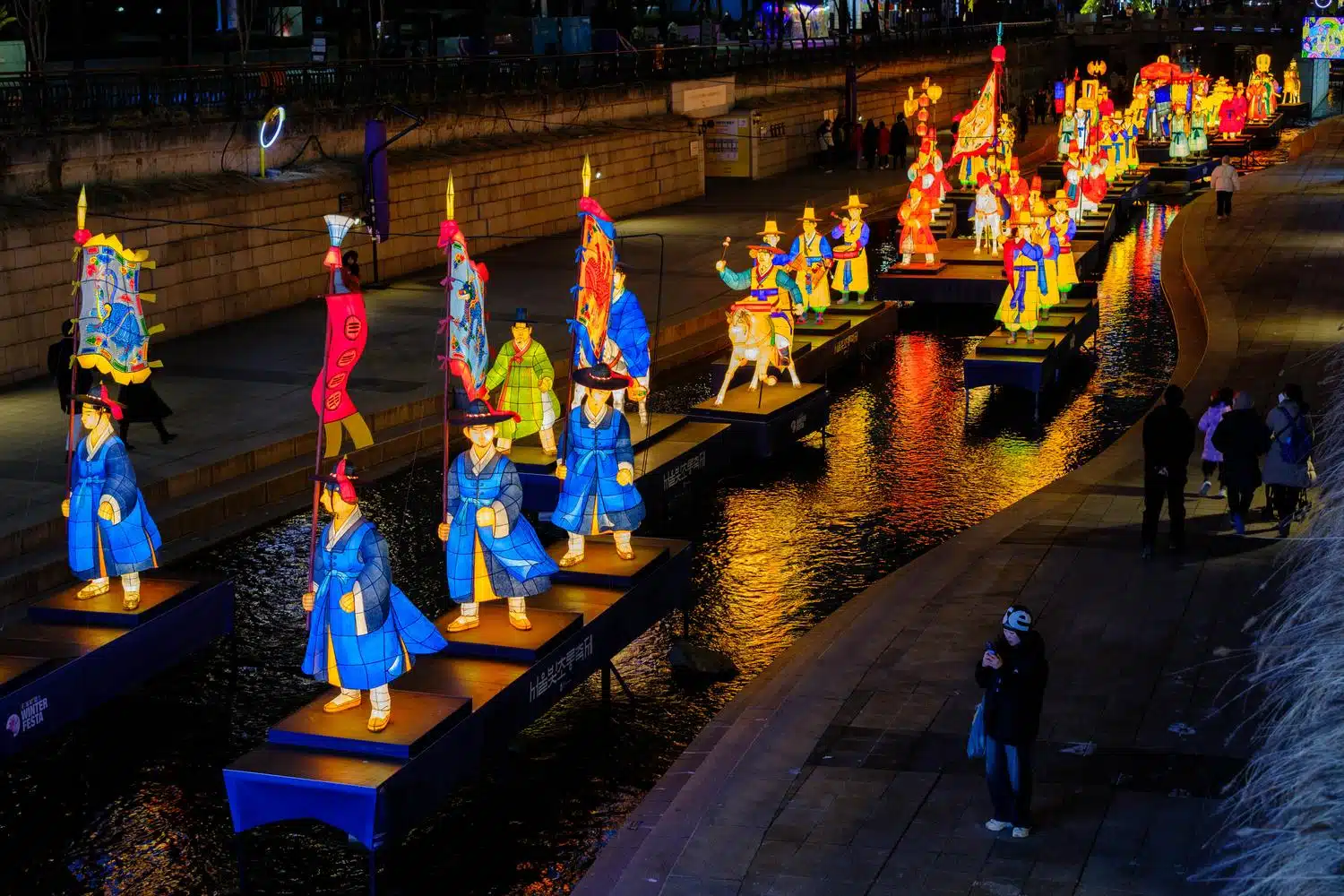
Beyond its ecological role, Cheonggyecheon has become one of the city’s signature public spaces. The Seoul Lantern Festival illuminates the water each winter with thousands of paper sculptures, and seasonal installations, art pieces, and small performances draws big but relaxed crowds throughout the year. Stepping stones let people cross between the banks, and twenty-two distinctively designed bridges arc overhead.